
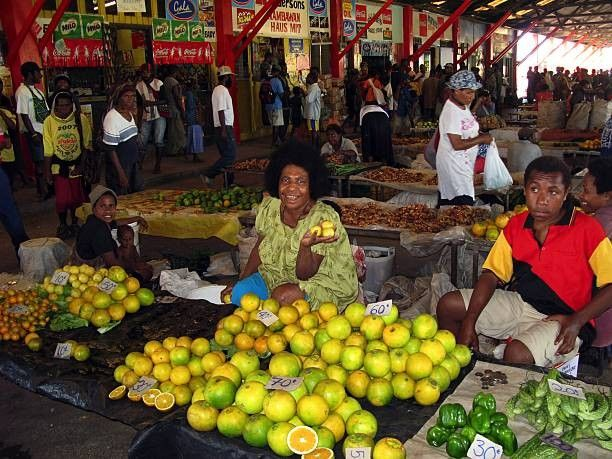
Households across the nation’s capital are bracing for heightened financial pressure following a K1 per litre increase in fuel prices, sparking widespread concern over rising transport fares and the escalating costs of everyday essential goods and services.
The Independent Consumer and Competition Commission (ICCC) confirmed that the price hike for petrol, diesel, and kerosene in Port Moresby took effect on October 8, 2026.
The sharp increase comes immediately after the exhaustion of the national government’s K1 billion fuel relief package, marking the end of a crucial fiscal subsidy that had previously insulated consumers from volatile global energy markets.
For families already balancing steep educational expenses, rising food costs, and general domestic overheads, the sudden jump in fuel prices threatens to place an unsustainable strain on weekly household budgets.
Because fuel constitutes a dominant operating expense for public motor vehicles (PMVs), logistics firms, and commercial distributors, business houses are facing immediate cost pressures. Industry analysts warn that these elevated overheads could trigger immediate inflationary flow-on effects, directly impacting retail shelves and passenger fares. Parents, students, and workers who rely heavily on public transport are particularly vulnerable to any subsequent tariff adjustments.
In an effort to mitigate the financial shockwave, the Government has extended the Goods and Services Tax (GST) exemption on fuel until December 31, 2026.
However, the final impact on the public hinges on how local transport syndicates and commercial businesses absorb these new operating costs. The ICCC encourages consumers to audit their household spending carefully and closely monitor retail pricing compliance as the new fuel rates settle into the economy.