
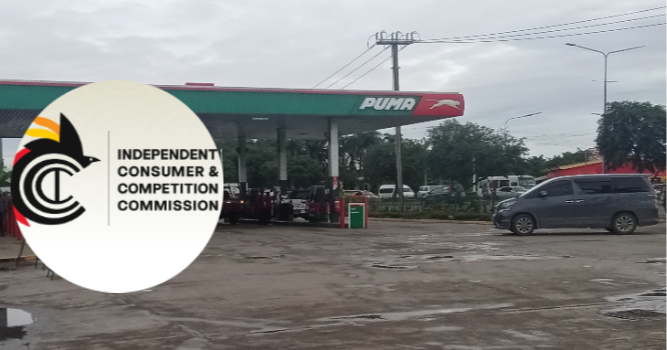
In a day’s time, Papua New Guineans will experience perhaps the highest fuel price increase for the month of November.
The Independent Consumer and Competitions Commission (ICCC) has just informed that the changes to the Government’s fuel support arrangements will take change from this Sunday onwards. This means that from the 8th of November, the government’s direct fuel subsidy will be removed.
The change to the subsidy arrangement is a fiscal policy decision made by the Department of Treasury (Treasury) as part of the Government’s management and reprioritization of public expenditure. The ICCC does not determine government tax or subsidy policies.
The following three (3) factors are pushing price up in November:
International oil prices reached new high in October 2026. The prices for refined products out of Singapore, particularly Petrol, Diesel and Kerosene have increased above the current level by approximately 12-15%;
Removal of direct subsidy, which was worth approximately 8 to 75 toea per litre in October, will see prices increased above that level; and
PNG Kina depreciation against US Dollar since January 2026 will add approximately 20 toea per litre.
The ICCC will publish final Maximum Indicative Retail Prices (IRP) on 7th November 2026. Early estimates indicate that the retail prices for all declared refined products may move from K5.90 in October to more than K6.00 or more than K7.00 per litre in November.
The ICCC will publish the full breakdown of the retail prices, so consumers can see that no excessive profits are earned by the fuel wholesalers and retailers.
Meantime, the ICCC will make the appropriate adjustments to the regulated prices for all other services which it regulates in December 2026. These include PMV and taxi fares, among others. PMV and taxi fares are regulated separately by the ICCC, and fares will NOT automatically increase because of this fuel price change. Any changes in regulated prices will need separate adjustments consistent with existing regulatory arrangements