DEPARTMENT OF LABOR TASK TO INITIATE DIALOGUE ON UNIONIZATION OF PNG MEDIA
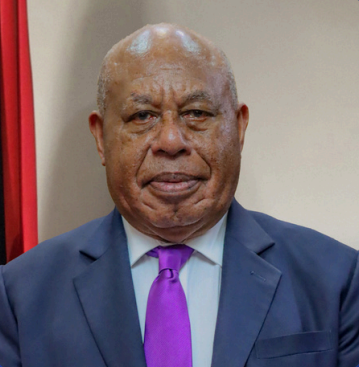
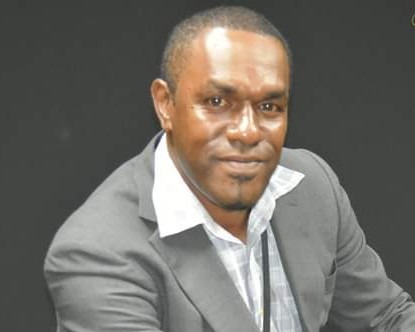
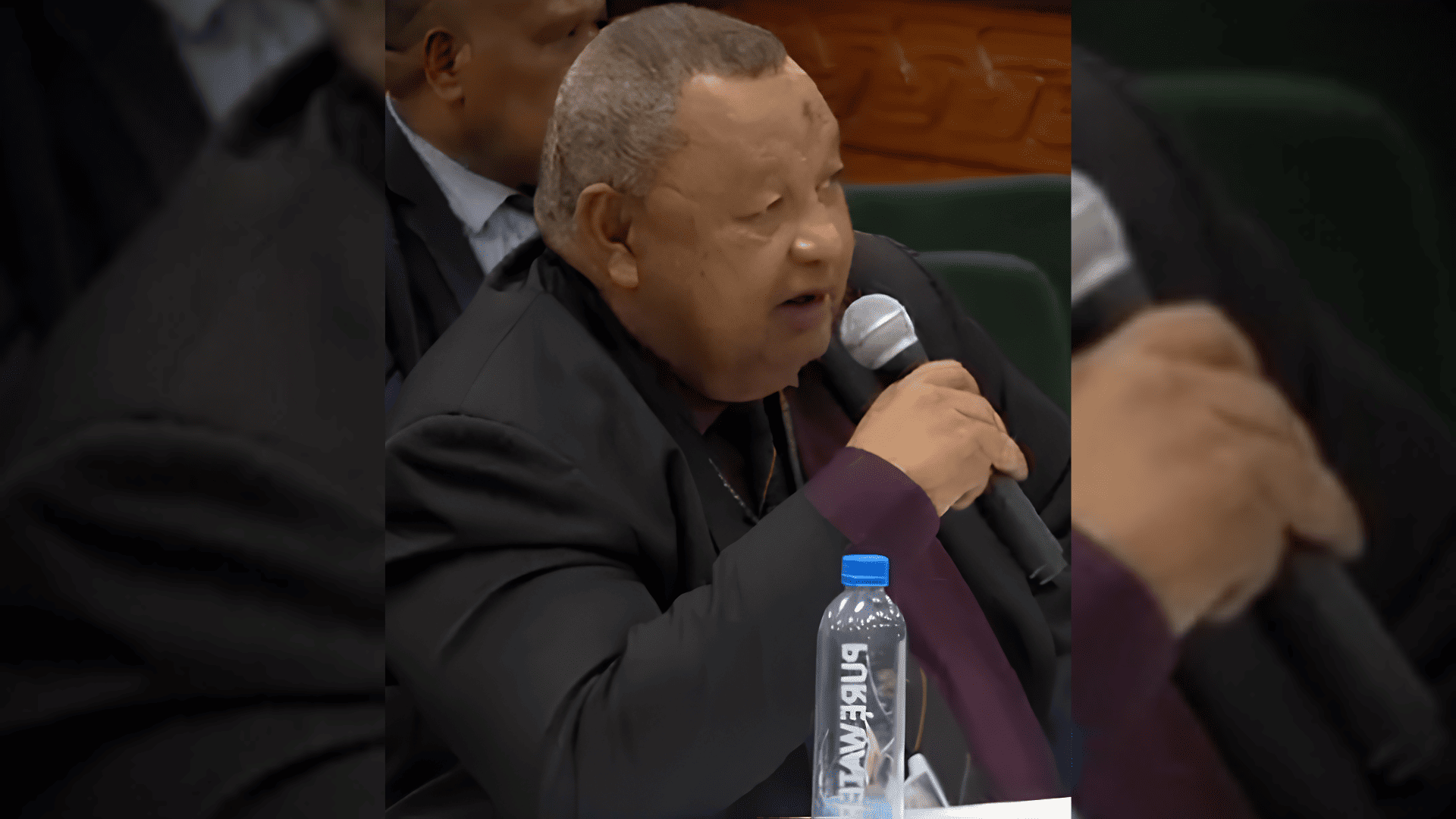
During the Special Parliamentary Committee Hearing on Communications today, key discussions centered around the establishment of a National Press or Media Workers' Union in Papua New Guinea.The Secretary for the Department of Labor and Industrial Relations, Mr. George Taunakekei presented a comprehensive overview of the legal and institutional framework supporting the formation of such unions, emphasizing the importance of aligning with international labor standards and local legislation.Taunakekei highlighted that Papua New Guinea currently lacks a formal press or media union, although the Media Council of Papua New Guinea functions as a self-regulatory body. He explained that under the country's Industrial Organizations Act (Chapter 173), media workers, such as journalists, editors, and broadcasters are recognized as employees and are therefore legally eligible to form or join unions.He emphasized that the formation of a media union is both legally feasible and practically significant. The process involves applying for registration with the Office of the Industrial Registrar, submitting necessary documentation such as membership lists, constitutional rules, and resolutions, followed by an advertisement period for objections. If approved, a certificate of registration is issued, granting the union legal standing.Furthermore, he pointed out that Papua New Guinea ratified key International Labor Organization (ILO) conventions, Convention No. 87 on Freedom of Association (ratified in 1976) and Convention No. 98 on the Right to Organize and Collective Bargaining (ratified in 2000).These conventions legally obligate the government to uphold the rights of workers, including media personnel, to organize and bargain collectively without discrimination or interference. Taunakekei stated that these obligations reinforce the legitimacy and importance of establishing a press or media union.Despite the legal provisions, Secretary Taunakekei noted that the media fraternity has yet to approach the Department of Labor’s Office of the Industrial Registrar to express interest in forming a union. This absence of organized representation has implications for journalistic integrity and professional independence, especially when media workers fear job security repercussions or victimization.Chairman of the Special Parliamentary Committee on Communications, Hon. Marsh Narawec, (Wau/Waria, MP) voiced concern over the lack of organization within the media sector and questioned whether the Department could take a proactive role in reaching out to media professionals to facilitate union formation.Secretary Taunakekei responded, affirming that the Department will take the lead to initiate dialogue, through the committee’s recommendation. He proposed engaging with the Media Council of Papua New Guinea, as a starting point to promote unionization efforts.He assured the committee that immediate steps could be taken to initiate conversations and that the Department would keep Parliament informed of progress. He also referenced the Department’s website and the Office of the Industrial Registrar as resources for media workers interested in forming unions.The committee emphasized that the drive to establish a press union is fundamentally about safeguarding media freedom and journalistic integrity. Committee Chair Hon. Narawec reiterated the importance of government action in fostering an environment where media workers can organize freely, ensuring their rights are protected and their professional independence maintained.The Department of Labor has committed to initiating outreach efforts shortly and will engage with the Office of the Industrial Registrar to facilitate the process. Taunakekei assured the committee that future updates would include direct involvement from the Registrar’s office and ongoing engagement with media stakeholders.This hearing marks a significant step toward empowering Papua New Guinea’s media sector through formal unionization, in line with international standards and local laws.The approach by the Department of Labor highlights the government’s recognition of the importance of media workers’ rights in strengthening press freedom and maintaining the integrity of journalism in Papua New Guinea.
Published on
September 24, 2026