Posts by Mahlon WINSTON | PNG Haus Bung
POSTS BY AUTHOR
Mahlon WINSTON
Author

Mahlon WINSTON

PROVINCIAL AUTHORITIES MUST DO MORE IN GBV RESPONSE
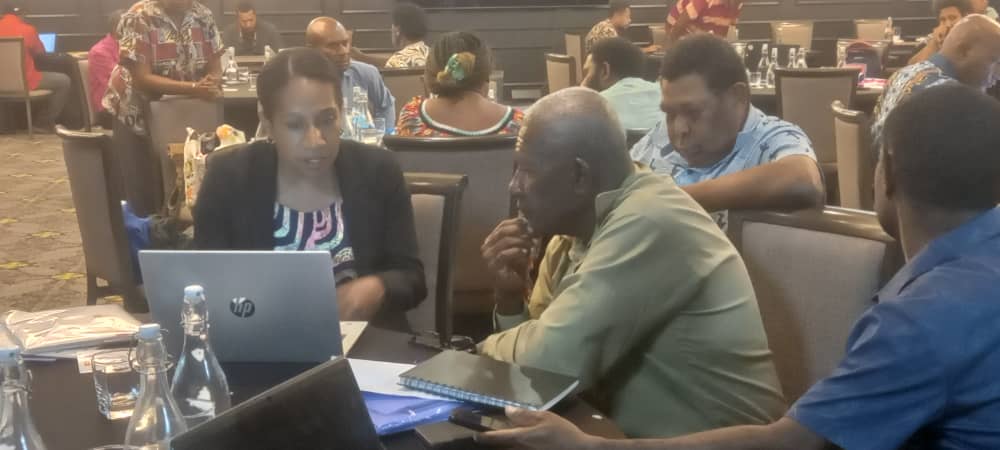
Provincial governments must take greater responsibility for funding work to prevent and respond to gender-based violence (GBV), while improving coordination with service providers and development partners, National GBV Secretariat Executive Director Diane Kambanei says.Reflecting on provincial presentations at the Second GBV Workplan Plenary Workshop held in Port Moresby this week, Ms. Kambanei said many provincial focal points were operating with little or no support from their provincial or district budgets. Some rely heavily on development partners, churches and civil society organisations to carry out their work.She cited West Sepik as receiving about K10,000 in provincial support, while Western Highlands had a K65,000 allocation that, she said, had not yet reached the focal point. Other provinces reported relying on partners, including private-sector companies and women’s organisations.The National GBV Secretariat provides provinces with K100,000, but Ms. Kambanei stressed that this was intended to supplement and not replace the government funding.“If a province contributes K100,000 and the Secretariat adds another K100,000, they can do a lot more. It was never meant to be the only funding the provincial focal points receive," Ms. Kambanei said.She said the limited funding made it difficult for provinces to address GBV effectively, particularly in areas with challenging geography and communities that may only be reached by boat. More resources are also needed to establish district-level GBV coordination structures and improve access to support survivors.Ms. Kambanei said the Secretariat wanted to use the workshop to strengthen provincial advocacy, including by bringing together the provinces’ experiences and concerns. She referred to the Permanent Parliamentary Committee inquiry as an opportunity to press for stronger provincial and district funding commitments.Despite the constraints, she praised provincial teams for continuing their work. She highlighted New Ireland’s establishment of a GBV desk in Namatanai, saying that the initiative had been set up using only part of the funds provided by the Secretariat. She also commended provinces including Eastern Highlands and Western Highlands for progress made with limited resources.This year’s workplans showed improvement from the first plenary, she said, with provincial representatives demonstrating a clearer understanding of how to connect activities to a strategy and plan their work.A key priority, Ms. Kambanei said, is strengthening coordination among provincial government agencies, civil society organisations and service providers. Regular meetings of provincial GBV coordination mechanisms can help ensure workplans reflect local needs, reduce duplication, and make it clearer where partners can contribute.“Government coordinates,” she said, explaining that provincial focal points should not be expected to manage every service themselves.“When we coordinate, we share resources and the workload.”She also called for stronger awareness among provincial leaders and private-sector partners about the role of GBV focal points. Clear workplans and functioning coordination committees, she said, would help partners identify where their support could make the greatest difference.Ms. Kambanei said provincial focal points were often overstretched, with some carrying broad responsibilities with very small teams. Better coordination could ease that burden and help connect provinces with the government agencies, community organisations and businesses able to support their work.
Published on November 4, 2026
LOOPHOLES IN PROVINCIAL GBV RESPONSES IDENTIFIED
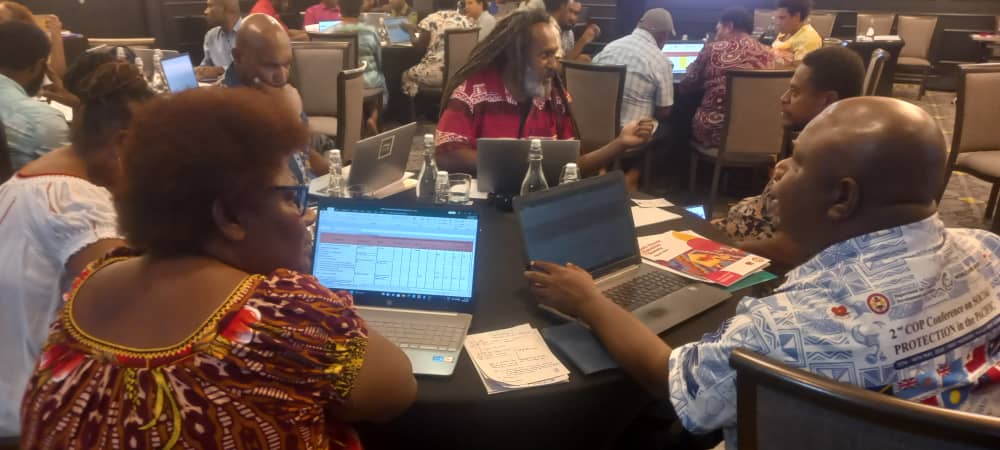
National GBV Secretariat Executive Director Diane Kambanei has said that regular coordination meetings, stronger provincial leadership and sustainable funding are essential to improve responses to Gender-Based Violence (GBV).Reflecting on provincial presentations at the 2nd GBV Workplan Plenary Workshop in Port Moresby this week, Ms. Kambanei said provinces that regularly convene GBV Action Committee meetings were able to give clearer, more detailed accounts of their work.She said the Action Committee meetings helped partners coordinate their efforts and make it easier for provinces to report on activities across the different areas of the GBV response.“Where provinces are meeting regularly. The stories of what they have done are much more illustrative,” she said.Ms. Kambanei alluded to examples of collaboration presented by Jiwaka and West New Britain, including support for Family Support Centres and assistance from partner organisations. She also praised Western Highlands for establishing GBV Action Committees at provincial and district levels, saying the structure helps coordinate frontline services and support safe houses effectively. However, she said some provinces still needed support to establish effective committees with senior decision-makers at the table. East Sepik, she noted, had highlighted the importance of having high-level representatives involved.The presentations also revealed major differences in provincial funding for GBV work. While the National Capital District reported a budget of K3.5 million, West Sepik reportedly had K10,000 allocated by its provincial government. Western Highlands reported K65,000, but had not yet received the funds.Ms. Kambanei said the Secretariat had provided K650,000 to provinces so far, distributing funds in K50,000 instalments as provinces submitted reports. The funding was intended to complement provincial government contributions, but in some cases appeared to be the only funding available. And that is not sustainable. "Provincial governments needed to make GBV a stronger budget priority and consider how funds available through existing provincial mechanisms could support the response," she said.Access to funding was also complicated by the fact that some provinces did not have trust accounts or other mechanisms for receiving and managing funds. As an interim measure, the Secretariat was considering practical support such as covering venue and refreshments costs so provinces could hold GBV Action Committee meetings while longer-term arrangements were developed.Ms. Kambanei highlighted that this workshop had provided an opportunity for provinces to learn from one another and for the Secretariat to identify gaps requiring support. She added that bringing development partners, such as the UN agencies, the Australian Government and the private sector together would help connect provincial priorities with potential funding and technical assistance."Even support for a single activity in each partner’s work plan, could make a meaningful contribution to provincial GBV responses," said Ms. Kambanei. The Plenary Workshop will end with presentations from donor partners, development partners, non- government Organizations and other stakeholders, while the provinces will have an opportunity to pitch for support through their recommended activity plan.
Published on November 4, 2026
COORDINATION KEY TO DELIVERING NATIONAL GBV STRATEGY
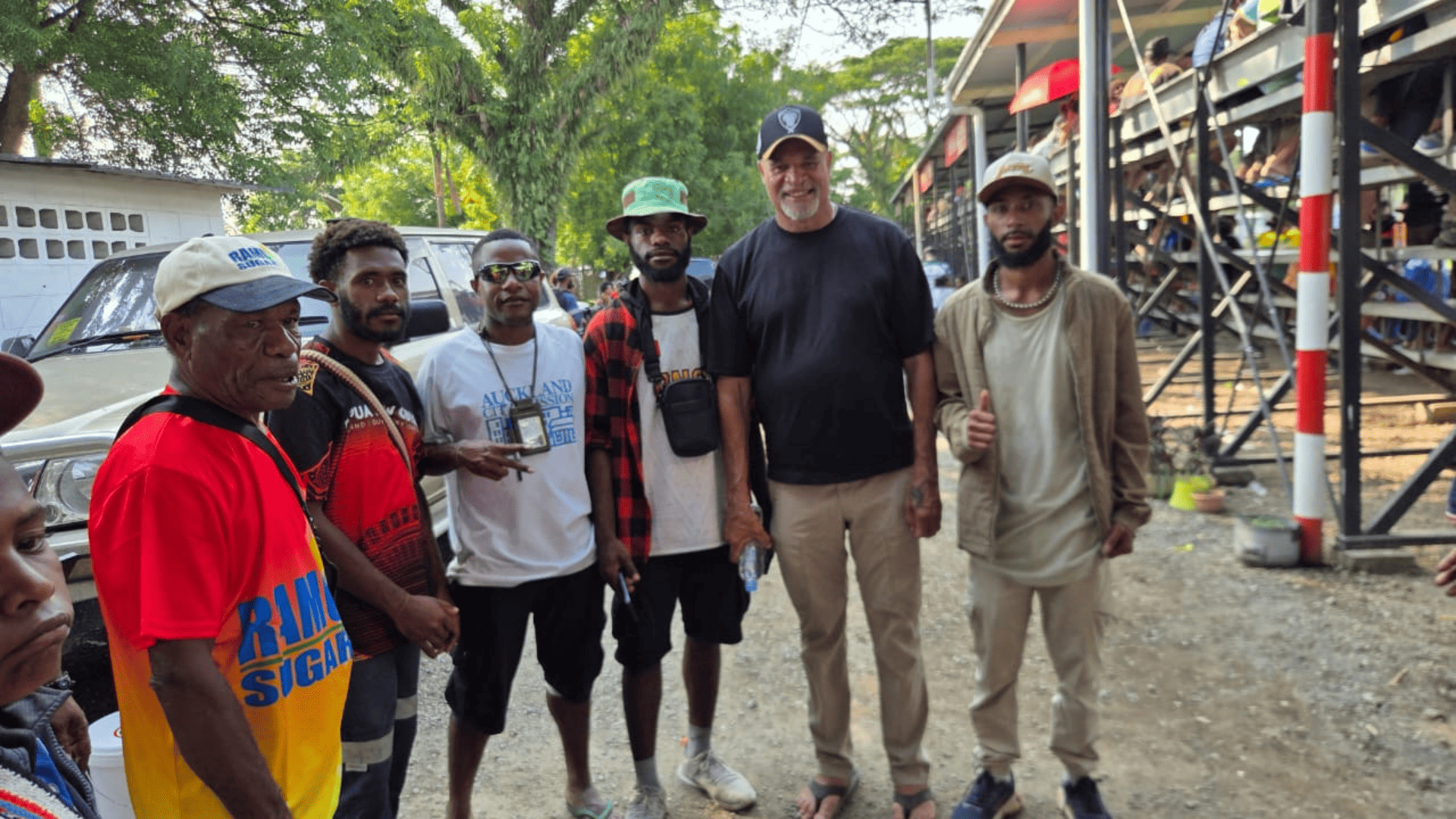
National GBV Secretariat Executive Director, Diane Kambanei says stronger provincial response systems, better alignment of funding and sustained support for frontline organisations are essential to improving services for Gender Based Violence survivors.The National Gender-Based Violence (GBV) Secretariat is focusing on coordination as it works to support Papua New Guinea’s newly launched National GBV Strategy, Executive Director Diane Kambanei said."The Secretariat’s role is not to carry out every activity itself, but to bring together government agencies, provincial administrations, civil society organisations and development partners working on GBV prevention and response. It also tracks activities under the strategy and supports organisations where gaps are identified," Kambanei said.Prime Minister James Marape launched the strategy on 11 March, according to Kambanei. She said the Secretariat’s broad mandate reflects the number of actors involved, and the need to ensure their work contributes to shared national priorities.The Secretariat works with Papua New Guinea’s 22 provincial governments to strengthen local coordination and referral pathways. Each province is expected to appoint a GBV focal point and establish a GBV Action Committee."Previously known as Family and Sexual Violence Action Committees, the committees bring together key service providers, including police, health services and safe houses. Their role is to coordinate assistance and help survivors access services," Kambanei said.“Survivors can’t get the assistance they need from the national level,” she said, explaining that services must be organised close to communities and districts.Kambanei pointed to Oro Province as an example of what coordinated action can be achieved. She said the province’s GBV rate had fallen from about 70 per cent in the 2016 per Demographic and Health Survey to 17 per cent. She attributed the reported reduction partly to a strong provincial coordination mechanism and a timely response from the GBV Action Committee. That figure, and the measure it refers to, should be confirmed with the relevant survey data before publication."In Oro, local organisations and community partners also share resources. A church provided land for a safe house, while an NGO helped support services. Partners have also contributed office space and fuel for the Family and Sexual Violence Unit. The shared-responsibility approach helps local services operate despite limited resources," she said. The Secretariat is also supporting frontline civil society organisations through grants. Kambanei said K2.5 million was awarded to 23 organisations for 2026–27, with a further K1.5 million provided to other organisations. The grants support prevention and response work aligned with the national strategy.She said organisations could apply through guidelines and forms available on the Secretariat’s website. Kambanei also outlined plans to provide K10,000 to each of 51 recorded safe houses during the 20 Days of Human Rights Activism this year. The number of facilities may rise to about 54 as others are identified. At K10,000 each, support for 54 safe houses would total K540,000; the allocation should be confirmed, as Kambanei described it as more than K600,000.The Secretariat is assessing safe houses to determine their needs. Funding could help provide essentials such as water tanks, fuel, and food, she said. The support comes as some facilities face financial pressure and have reduced the number of people they can accommodate.Kambanei identified coordination as the sector’s main challenge. "Significant funding is directed to GBV work by development partners and UN agencies, but it can be difficult to align that support with the strategy’s priorities without a coordinated approach," she said. The Secretariat is addressing this through a joint planning with provincial representatives and relevant government departments. Kambanei said the Secretariat develops its own work plan after hearing from provinces, so national priorities reflect local needs and ongoing activities."Capacity constraints remain a concern. In some provinces, one GBV focal point is responsible for GBV coordination as well as youth welfare and other duties. That can make it difficult to support services across multiple districts," she said.Kambanei said provinces need functioning action committees and, where required, dedicated staff for areas such as child protection and sorcery accusation-related violence. Building these systems takes time, but stronger local coordination would help ensure cases are addressed closer to where they occur."The Secretariat’s priority is to work with provinces to identify gaps, build capacity and bring the appropriate national agencies into the planning process," Kambanei said.Sustained coordination and support for frontline services will be critical to making the national strategy a practical source of help for survivors.
Published on November 3, 2026
GBV PLENARY WORKSHOP UNDERWAY IN PORT MORESBY
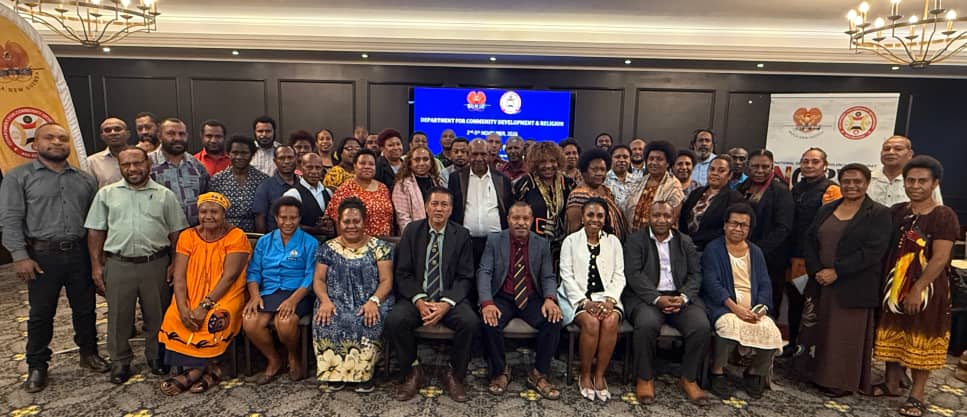
A three-day Gender Base Violence Workplan Plenary Workshop is underway today in Port Moresby at the Airways Hotel.The workshop brought in equal representation from all twenty-two provinces. GBV provincial focal points and coordinators from key functions within Provincial Administrations will be sharing updates on their 2026 workplan implementation, while contributing toward the formulation of Provincial GBV Action Plan for 2027.Speaking to the participants before declaring the Plenary workshop open, Deputy Secretary of the Department for Community Development and Religion, Mr. Jack Simbou said a coordinated approach across all levels is the Department's focus through the National GBV Policy working in line with the Integrated Community Development Bill.Mr. Simbou thanked the provincial coordinators and representatives for attending this important workshop as this is one avenue where they can share and contribute towards recommendations that will help with their planning to address GBV issues in the country.He emphasized on the importance of addressing the root causes of GBV through collaborative efforts with government agencies, Civil Society Organisations, Non-government Organisations, Stakeholders and key partners to achieve a zero-tolerance goal as per the MTDP.And to achieve that is to create workable and effective mechanisms within the systems, which the department and the GBV Secretariat had already in place.National GBV Secretariat Executive Director Ms. Dianne Kambanei says stronger provincial capacity and access to survivor services are central to the national strategy.Papua New Guinea is strengthening its national response to gender-based violence (GBV), with a goal of achieving zero tolerance by 2050.Ms. Kambanei outlined progress on the national strategy, including its endorsement in December and its launch by the Prime Minister on March 11. PNG’s approach has attracted international interest. At a global GBV research conference, representatives from countries including Malawi expressed interest in the country’s commitment to dedicating parliamentary time to GBV discussions, she said.The strategy’s vision is a Papua New Guinea free from violence and discrimination. Its mission brings together survivor-centred services, accountability, cultural change, legal reform and collaboration across sectors. Addressing low conviction rates through legal reforms is among the priorities identified.Ms. Kambanei said provincial capacity is essential to putting the strategy into practice. The Secretariat considers a provincial GBV secretariat “functioning” if it has at least five staff members and dedicated funding. Currently, only four provinces—National Capital District, Simbu, Western Highlands and Jiwaka—meet the five-staff threshold.The National Secretariat is encouraging provincial administrators to reallocate existing staff or secure funding to meet the requirements.The strategy also aims to make survivor services more accessible in rural areas, with a target of 60 per cent rural access. Services are intended to reach communities at district level, rather than relying mainly on urban safe houses.The second plenary workshop will end on Wednesday, November 4th, 2026.
Published on November 2, 2026
POLICE INVESTIGATE THREE FATAL INCIDENTS ACROSS GEREHU AND 15-MILE
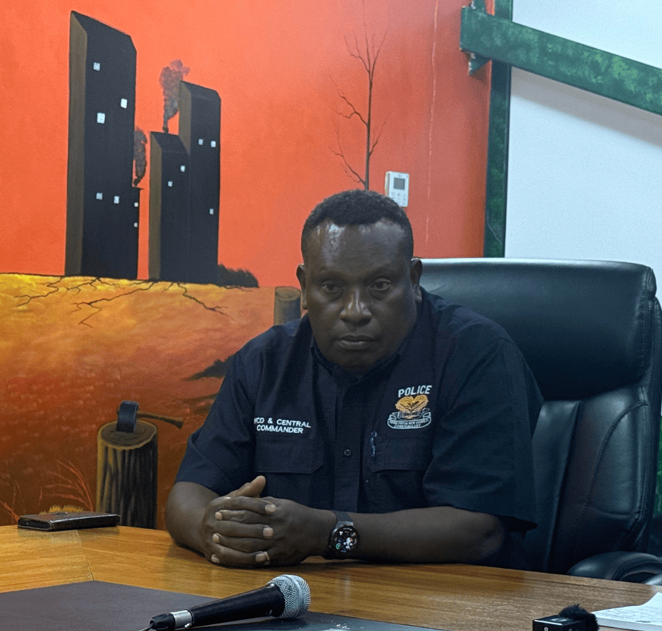
Assistant Commissioner of Police (ACP) Benjamin Turi, Commander of the National Capital District and Central Province, has confirmed a string of violent incidents that have left three people dead. Active police investigations are underway, and authorities are urgently appealing for eyewitnesses to come forward.Speaking to PNG Hausbung, ACP Turi confirmed that the first fatal incident occurred on Saturday afternoon, resulting in the death of a young man. Police acted swiftly following the incident, apprehending two suspects who remain in custody.A second fatality was reported early Sunday morning at Gerehu, where a man was allegedly murdered. The killing prompted an emotional gathering of relatives and family members at Gerehu Stage 2, triggering immediate concerns over potential retaliatory violence. Police units intervened quickly to de-escalate the gathering and secure the location.Turi acknowledged that volatile tensions threatened to spark a broader confrontation. He personally stepped in to diffuse the standoff, noting that he did so in his dual capacity as the regional police commander and as a long-time resident of the Gerehu community.Investigators are urging anyone who witnessed either the Saturday afternoon incident or the Sunday morning murder to come forward with information. Turi strongly appealed to the public to maintain restraint, allow the legal process to run its course, and refrain from taking the law into their own hands.Additionally, Commander Turi confirmed that detectives from the Central Criminal Investigation Department (CID) alongside the Royal Papua New Guinea Constabulary’s Forensics Unit are scheduled to deploy to a crime scene at 15-Mile tomorrow. The specialized teams will conduct an extensive scene examination and harvest evidence linked to Friday's violent clash between two local ethnic groups.A comprehensive police brief is expected to be released later this week once CID teams complete their initial inquiries and compile forensic findings.In light of the recent unrest, Turi urged city residents to maintain high vigilance when traveling through public spaces and to avoid loitering after hours. He reminded the public that while police are maximizing presence, community members share a collective responsibility to act lawfully and prioritize public safety.Condemning the string of homicides, Turi described the loss of life as entirely avoidable and called for immediate mutual respect between communities to prevent further tragedy
Published on November 1, 2026
KUMULS’ SECOND-HALF FIGHTBACK COMES TOO LATE AS ENGLAND WIN 34–12
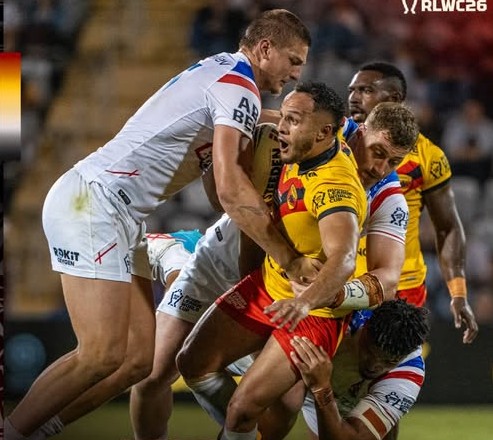
The PNG LNG Kumuls showed spirit after a difficult first half, but England’s early dominance proved too much to overcome, handing Papua New Guinea a 34–12 defeat at WIN Stadium, on Friday night.England raced to a 24–0 halftime lead, capitalising on their opportunities and putting the Kumuls under sustained pressure. For PNG, the challenge after the break was not only to defend better, but to find the composure and attacking rhythm that had been missing in the opening 40 minutes.The Kumuls responded with greater urgency in the second half. Dudley Dotoi and Gairo Voro crossed for tries, giving Papua New Guinea supporters something to cheer and showing the side had not given up.But England answered through six try-scorers, Matty Ashton, AJ Brimson, Dominic Young, Harry Smith, Morgan Knowles and Mikey Lewis to secure the win.As the Kumuls campaign comes to an end, the evening also marked a significant moment for Papua New Guinea national team captain Rhyse Martin’s final representative appearance.For Kumuls supporters, the result was painful. Yet Martin’s farewell gave the match a deeper significance. The veteran forward is retiring from football and is set to take up a football operations role with the incoming PNG Chiefs.Martin leaves the representative game as one of the Kumuls’ most accomplished players. He is reported to be PNG’s most-capped Kumul and all-time leading points scorer, an extraordinary record for a forward. His career abroad also included winning the Challenge Cup with Leeds and the Super League treble with Hull KR.The Kumuls late improvement in the second half will offer some encouragement, but the slow start is the major concern. Against a side of England’s quality, conceding heavily before finding their feet left the Kumuls with too steep a climb.England’s victory may still not be enough to secure a comfortable path to the semi-finals, with their prospects depending on the Tonga–Samoa result.For the Kumuls, the final score tells a disappointing story, but their second-half response at least showed the fight expected of the PNG Kumuls.
Published on October 31, 2026
JAKIPOM AFL 2026 PREMIERSHIP CUP HEADS INTO SEMI-FINALS THIS WEEKEND
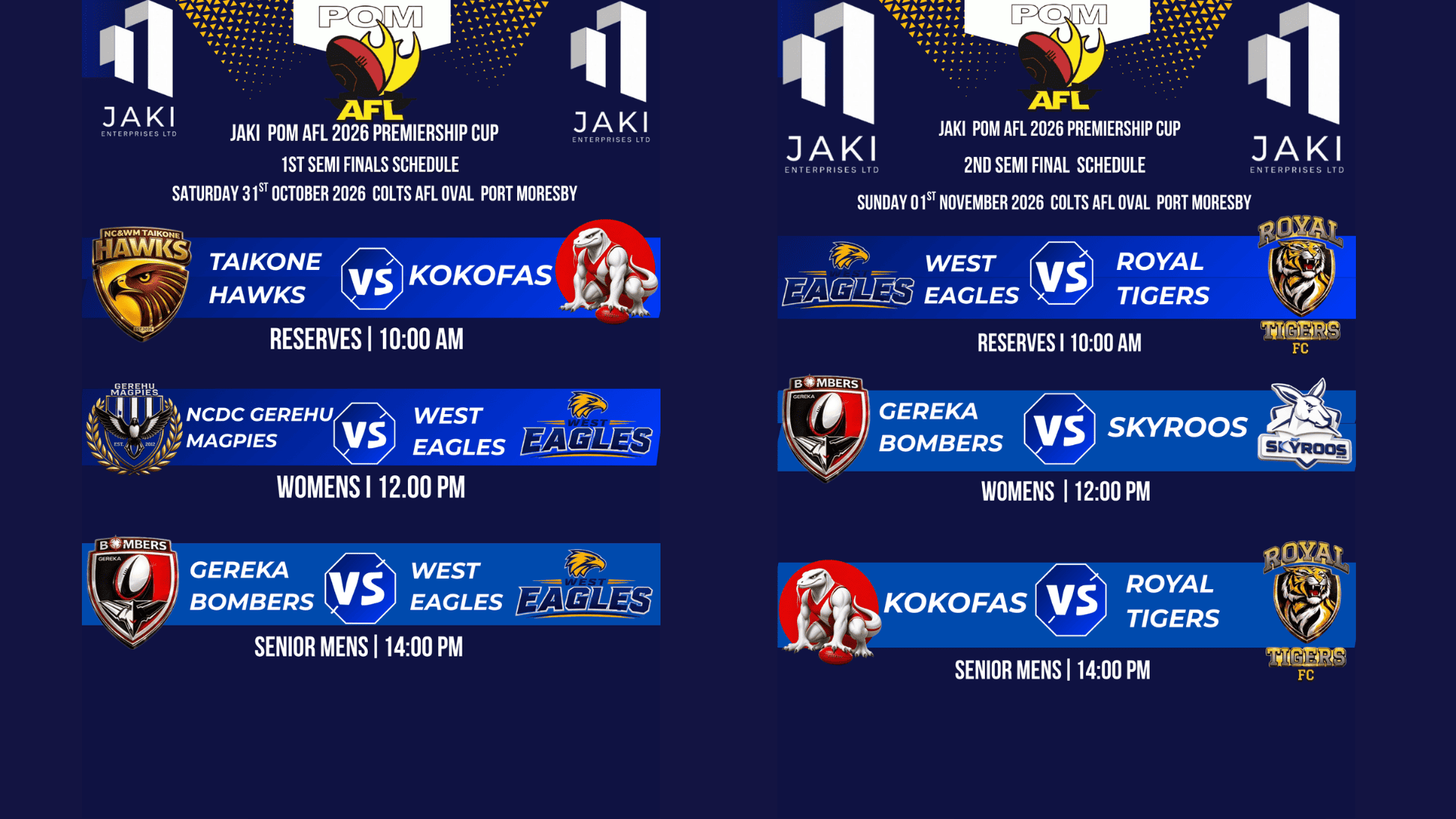
The West Coast Eagles have been handed the win and earned their spot to face the Gereka Bombers in the Semi Final of the Jaki-Pom AFL 2026 Premiership Cup, after the Taurama Suns appeal was struck out by the AFL match review panel this week.The Suns raised a formal appeal after their Elimination final extra time loss to the West Coast Eagles last weekend.After much deliberation in accordance with the by-laws of the game, the match review committee cited that the Suns were given options guided by the games by-laws and opted for the option where they were beaten fair and square by the Eagles.According to an AFL official the Sun’s eventually agreed to the decision handed down by the match review panel, which also sees their official exit from the 2026 season.West Coast will now take on Gereka Bombers in a winner takes it all match at 2pm this Saturday’s, at the Colts Oval. The Winner progresses to the Preliminary final while the loser bows out.The Bombers will look to improve their rusty performance last week after surrendering a handy first half lead, when the Royal Tigers roared back in the second half to win the preliminary final last Sunday.The Royal Tigers will look to maintain their second half performance from last week and build momentum in the first quarter of the match as they take on the competition’s minor premiers Kokofas who a fresh from the bye last weekend.The Kokofas and Royal Tigers will face off in the second semi-final match at 2pm on Sunday, November 1, at the Colts Oval. The winner from this match will earn the first spot in the Grand Final, while the loser will take on the winner of the Eagles vs Bombers game, to earn the other grand final spot.The draws for this weekend’s semi-finals of the JakiPom AFL 2026 Premiership Cup.Saturday 31 October 202610:00am – Taikone Hawks vs Kokofas Eagles (RESERVE DIVISION)12:00pm – NCDC Gerehu Mapies vs West Eagles (WOMEN’S DIVISION)2:00pm – Gereka Bombers vs West Eagles (PREMIER MEN’S DIVISION)Sunday 1 November 202610:00am – West Eagles vs Royal Tigers (RESERVE DIVISION)12:00pm – Gereka Bombers vs Skyroos (WOMEN’S DIVISION)2:00pm – Kokofas vs Royal Tigers (PREMIER MEN’S DIVISION)All matches will be played at Colts Oval, Port Moresby.
Published on October 30, 2026
DEMETRIOU BACKS KUMULS TO RESPOND AGAINST ENGLAND AFTER TOUGH SAMOA DEFEAT
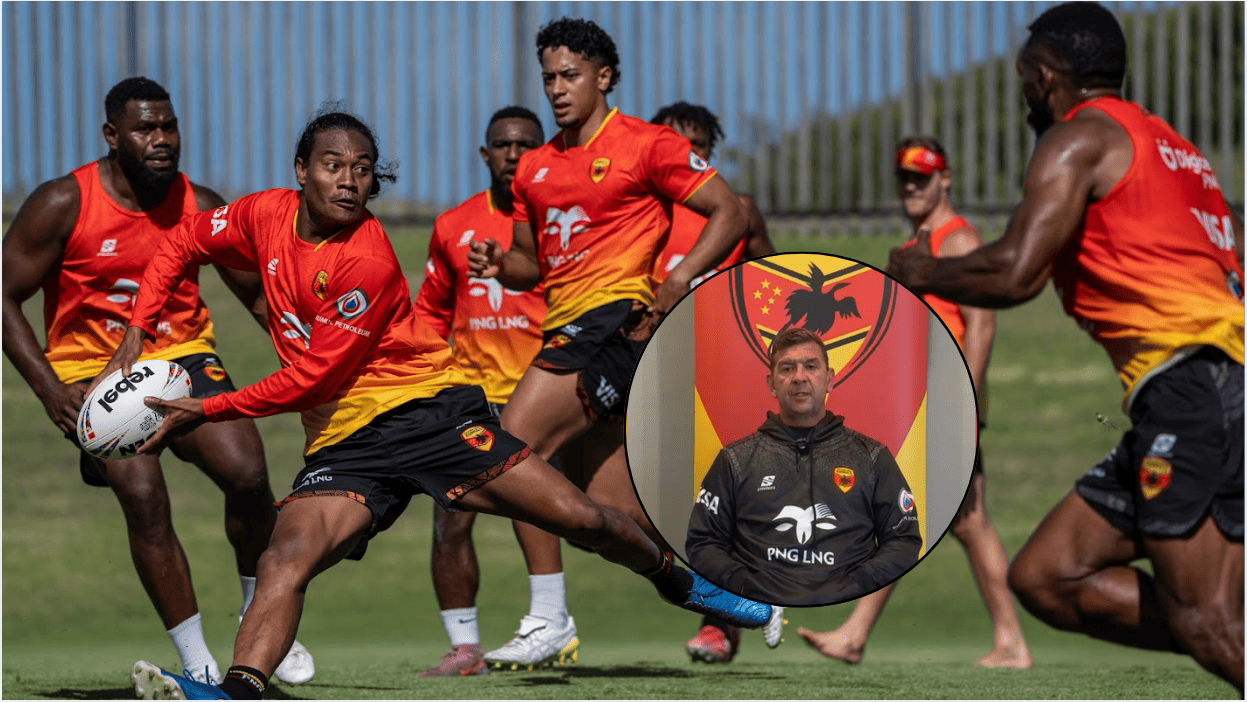
Kumuls coach Jason Demetriou says Papua New Guinea must improve its discipline and make better use of possession when they face England this evening at WIN Stadium in Sydney Australia, after a punishing second half against Samoa exposed the team’s vulnerabilities.Demetriou has made several changes to the side, with Josh Feledy named in the centres and Zach Laybutt shifting to fullback. The reshuffle is designed to add size to PNG’s backfield, give Laybutt more opportunities to handle the ball and create room for Sonny as he joins the six-man bench.The coach stressed that the larger bench gives him more options during the match. “It’s important when people look at the team to understand that there’s six players on the bench, not four,” he said.Injuries have also forced changes. Khaiya Waiembi suffered a syndesmosis injury early in the Samoa match and is expected to undergo surgery. Jack de Belin broke two ribs during the game, while Luca Moretti missed last week’s match with a rib injury but has recovered and trained ahead of England. Nene is also available again after illness.Demetriou said the injuries to Waiembi and De Belin contributed to the Kumuls’ second-half fatigue, particularly with other middle forwards unavailable. He added that the side had been further disrupted by late withdrawals before the Samoa game.The changes at the back are intended to make the most of the players’ fitness and strengths. Nene, who has previously played fullback, has been managing a knee injury and is not yet at the level of fitness the position demands. Demetriou believes he can still make a strong contribution in the centres.Laybutt, meanwhile, has impressed but has not had enough involvement in attack, according to the coach. Moving him to fullback should give him more chances to get his hands on the ball.The Kumuls have had a more settled preparation this week after arriving on Monday. Demetriou said training had focused on getting Gairo and Bailey more involved with the ball and improving the team’s attacking options.PNG’s main challenge will be to stay composed when momentum swings against them. Against Samoa, the Kumuls conceded four yardage penalties as they tried to get back into the contest, gifting field position to a powerful side that completed at a high rate. Demetriou also pointed to the impact of losing players during the match, including a 10-minute period without “Dubs” (De Belin), during which Samoa scored 22 points.The statistics underlined the pressure PNG faced.Demetriou said the Kumuls had only 19 per cent possession in the second half, while Samoa held 81 per cent. With limited ball, PNG’s playmakers struggled to influence the game.“We’ve got to respect the ball, and we’ve got to be disciplined when we get our chances down their end. If we can do that and we get 50-50 ball, we’ve seen what this team can do over the last few years," he said.Demetriou praised his team’s courage and physical commitment in the first half against Samoa, while acknowledging the quality of their opponents. He said England would pose another stern test, and that PNG would need to put together a stronger performance across 70 to 80 minutes, rather than only showing what it can do in patches.The coach is also looking forward to the return of experienced players and the opportunity for new faces. He said Luca Moretti's return would strengthen the side, while Nene’s work in the middle helps the forwards manage their defensive workload. Rhys is set to play his final game, and Jacob Taulani will make his opportunity count, with Demetriou highlighting his defense, athleticism and ability to control the ruck.For Demetriou, the focus is not on history between the teams but on PNG’s own response. He said the Kumuls had created opportunities against Samoa, including breaks from Robert Darby and Dudley Dotoi, but failed to capitalize fully.“If we go and take our chances there, we go in potentially leading at half-time and the game is very different. We’ve got to take the chances when they come. And if they don’t, we’ve got to fight hard to get some field position and get the ball back," coach Demetriou said.The message ahead of England is clear: stay disciplined, protect possession and make the most of the opportunities that come.
Published on October 30, 2026
PNG CHIEFS SECURE FULL PLAYING-KIT PARTNERSHIP LINEUP AHEAD OF 2028 NRL DEBUT
The PNG Chiefs have secured their full line-up of playing-kit partners for 2028 and beyond, marking a major commercial milestone as the club prepares to enter the NRL.The partnerships were recognized at the club’s official launch in Port Moresby, following the unveiling of its logo and inaugural supporter jersey on October 21 at the Hilton Hotel.The club said the agreements reflect a shared commitment to the future of rugby league in Papua New Guinea.Bank South Pacific will serve as the Chiefs’ Foundation Principal Partner through at least the end of the 2030 NRL season.In what the club described as a record-breaking partnership, BSP branding will appear on the front of the playing jersey and across other apparel.PNG LNG, Coca-Cola, and Nambawan Super have joined as Premier Partners. PNG LNG will feature on the upper back of the jersey, Coca-Cola on the sleeves and Nambawan Super on the lower back.Major Partners Air Niugini, K92 Mining, SP Brewery, Taylor Pacific, and Toyota, trading as Ela Motors, will also feature on the kit.Their branding will appear on the front and back of the shorts, the jersey sternum and shoulders.Struddys, the club’s official apparel and kit partner, will be represented across its merchandise range.The Chiefs’ supporter range was launched in Port Moresby on October 21, with further items expected to be released ahead of the club’s first season in 2028.Chief executive Lorna McPherson said the partners were helping establish a strong foundation for the club and its connection with fans and communities.“Seeing our first ever playing kit filled with partners who are proudly Papua New Guinean and proudly standing alongside us fills me with great pride,” McPherson said.She said the backing reflected belief in the club’s potential and its role in the country, both on and off the field.“We are incredibly thankful to our foundation partners for their support, both now and as we mark our official entry into the competition in 2028.”“We look forward to them joining us on the journey as we proudly represent the people of Papua New Guinea.”Playing-kit partners:Bank South Pacific: Front of jerseyPNG LNG: Upper back of jersey Coca-Cola: Jersey sleeves Nambawan Super: Lower back of jersey Air Niugini: Front of shorts K92 Mining: Back of shorts SP Brewery: Back of shorts Taylor Pacific: Sternum of jersey Toyota, trading as Ela Motors: Shoulders of jerseyStruddys: Across the merchandise range
Published on October 27, 2026
ROSSO CELEBRATES MOROBE SHOW AS A SYMBOL OF UNITY AND PROGRESS
Deputy Prime Minister and Lae MP John Rosso joined the 63rd Morobe Provincial Agricultural Show at Lae Show Grounds over the weekend, describing the annual event as a lasting symbol of unity, diversity and progress.Rosso said the show had grown alongside Lae city from its beginnings in 1959 as a gathering organised by local agricultural and business communities to a major event showcasing agriculture, livestock, culture, education, technology, small businesses and entertainment.“For 63 years, the Morobe Show has brought people together from all corners of Papua New Guinea and beyond. It has been a place of exchange — of knowledge, culture and commerce," he said.He noted that the event creates opportunities for farmers to learn, businesses to promote their products, students to be inspired and families to celebrate together.Rosso said the show reflected Lae’s own transformation. Once a small outpost, the city is now a major industrial centre, home to factories, wharves, businesses and thousands of workers.“Just like Lae, the Morobe Show has expanded in scale, diversity and significance,” he said, pointing to cultural performances, livestock displays and SME stalls as examples of the country’s creativity, resilience and potential.As Papua New Guinea looks toward the next 50 years of independence, Rosso urged people to build on the values that have sustained the show: hard work, innovation, unity and pride in the nation’s identity.He said Lae would continue to grow as the country’s industrial heart, while the Morobe Show would remain an important platform for showcasing what Papua New Guineans can produce, create and celebrate.Rosso commended the Morobe Show Committee, sponsors, exhibitors, farmers, students, security personnel and volunteers for their work in keeping the tradition alive.“Your dedication ensures that this tradition not only survives, but thrives,” he said.He encouraged Papua New Guineans to use the show as an opportunity for learning, trade, celebration and unity, and to continue working together toward a stronger and more prosperous nation.
Published on October 27, 2026
KUMULS CAPTAIN REFLECTS ON FINAL HOME APPEARANCE FOR KUMULS
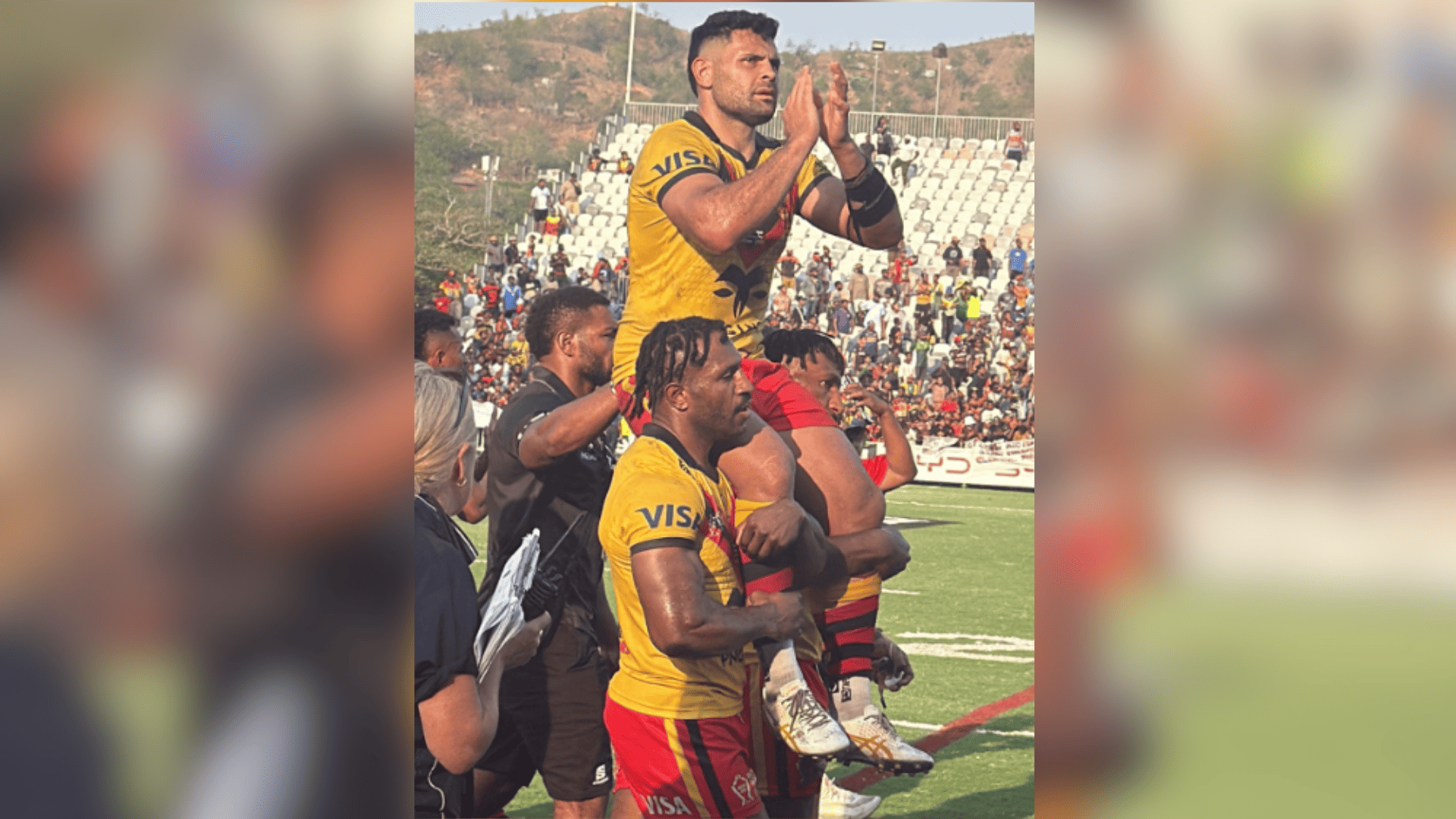
Papua New Guinea LNG Kumuls captain Rhyse Martin described his final home appearance for the national side as a proud and emotional moment, thanking his teammates, coach, and supporters for making his 12 years representing the country special.Speaking at the post-match press conference after the Kumuls 64-6 loss to Samoa, an emotional Martin meant every word he said as a proud Kumul and Papua New Guinean.“I’ve played for the country for 12 years. It’s the last time I got to do it in PNG with my teammates and my brothers that I’ve been doing it with for so long.”The comments followed Martin’s emotional farewell on home soil, where he was seen carried around the Santos NFS field on the shoulders of his teammates acknowledging the fans for their support over the years; he has represented PNG.His wife and two kids made his farewell more special as they joined Martin on the field to embrace him and share with him his final moments amongst his teammates and the fans that turned up at the stadium.He thanked his teammates for the respect they showed, as well as the coach and PNG fans for their support throughout his time with the Kumuls.Martin said the gesture meant a great deal because it came from the players that he had shared his international career with.“It was a proud moment because it meant a lot to my team for them to do that for me. I’m just happy that I’ve been able to do it for so long.”Reflecting on the match, Martin also spoke about the challenges facing Papua New Guinea in international competition, pointing to the need to make better use of the “bunker” and to draw on the experience players gain in the NRL.He said he had stayed down on several occasions during the match and won penalties, describing such tactics as part of the “little tricks of the trade” that can make a difference in a game.Additionally, he highlighted the difficulties of managing the bench and coping with the loss of experienced players before and during the competition.The captain said the progress of PNG players gave him reason to feel optimistic about the team’s future.He said he wanted to see the country’s players succeed in their careers and believed they had the potential to do so.“There is going to be so many more that are going to come through the development system, and I’m just excited to see where the team is going to be in the next couple of years.”Martin described his time with the Kumuls as a long and enjoyable stint. He said one of its most meaningful aspects had been watching teammates develop and build successful careers, while forming relationships he expects to keep for life.“It’s been nice to see guys go through their careers and do really well for themselves, and then just to build those relationships that I’ll have for the rest of my life.”
Published on October 27, 2026
ROYAL TIGERS STORM BACK TO DEFEAT GEREKA BOMBERS IN POM AFL MEN’S PREMIER LEAGUE QUALIFYING FINAL
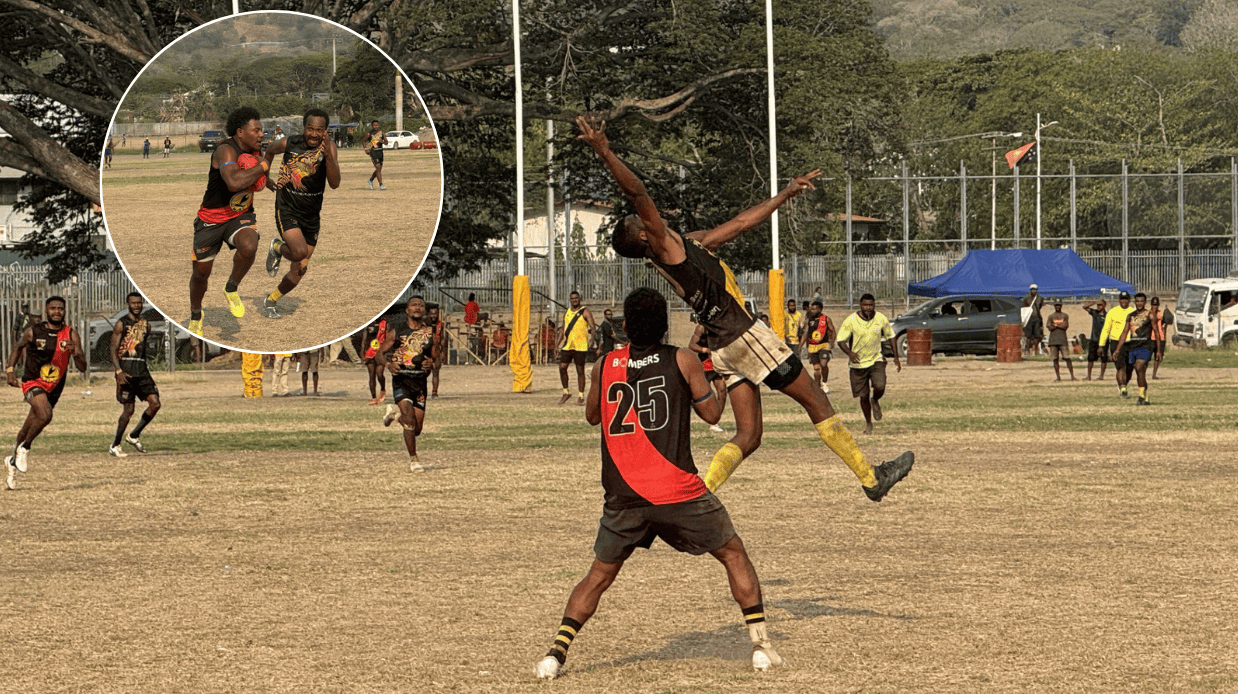
The Royal Tigers produced a disciplined second-half performance to beat Gereka Bombers 45–32 in the Pom-AFL Men’s Premier League qualifying final at Colts AFL Oval on Sunday.The Tigers trailed 17–25 at half-time but turned the match around after the break, kicking six goals across the third and fourth quarters. Gereka managed just one goal in the second half as the Tigers tightened their defense and limited Bombers scoring opportunities in the second half.Tigers Captain Vincent Logu praised his teammates’ composure and teamwork and said he was confident the side could carry its form into the next round.The Tigers will now prepare for a qualifying final against minor premiers Gordons Kokofas. The winner will secure the first place in the 2026 Pom-AFL Grand Final, while the loser will have another chance to reach the decider.In the women’s competition, SkyRoos defeated Magpies 29–19.The result of the elimination match between Taurama Suns and West Eagles remains under review after the Suns lodged an appeal. Match officials and Pom-AFL executives are expected to consider the appeal and announce a decision later this week.Men’s final score: Royal Tigers 6.9 (45) defeated Gereka Bombers 5.2 (32)Women’s final score: SkyRoos 4.5 (29) defeated Magpies 3.1 (19)
Published on October 26, 2026