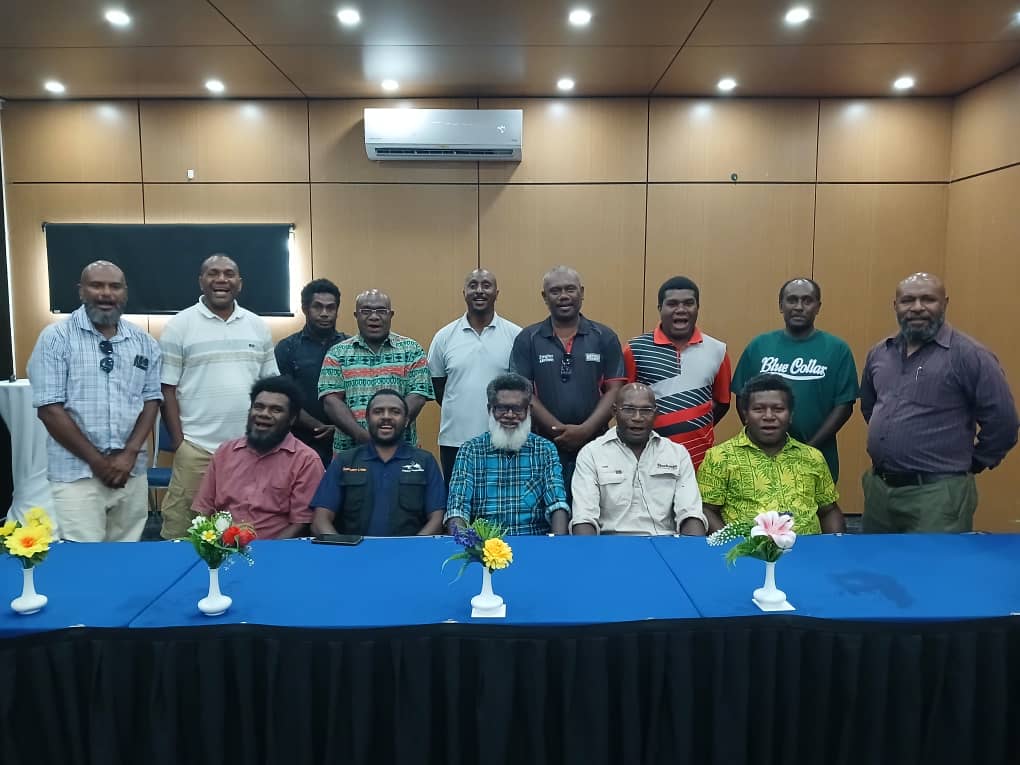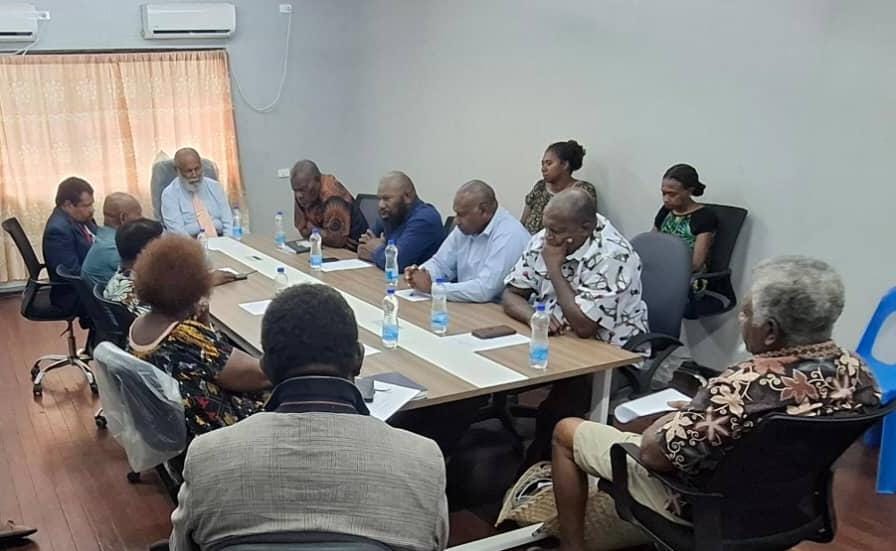


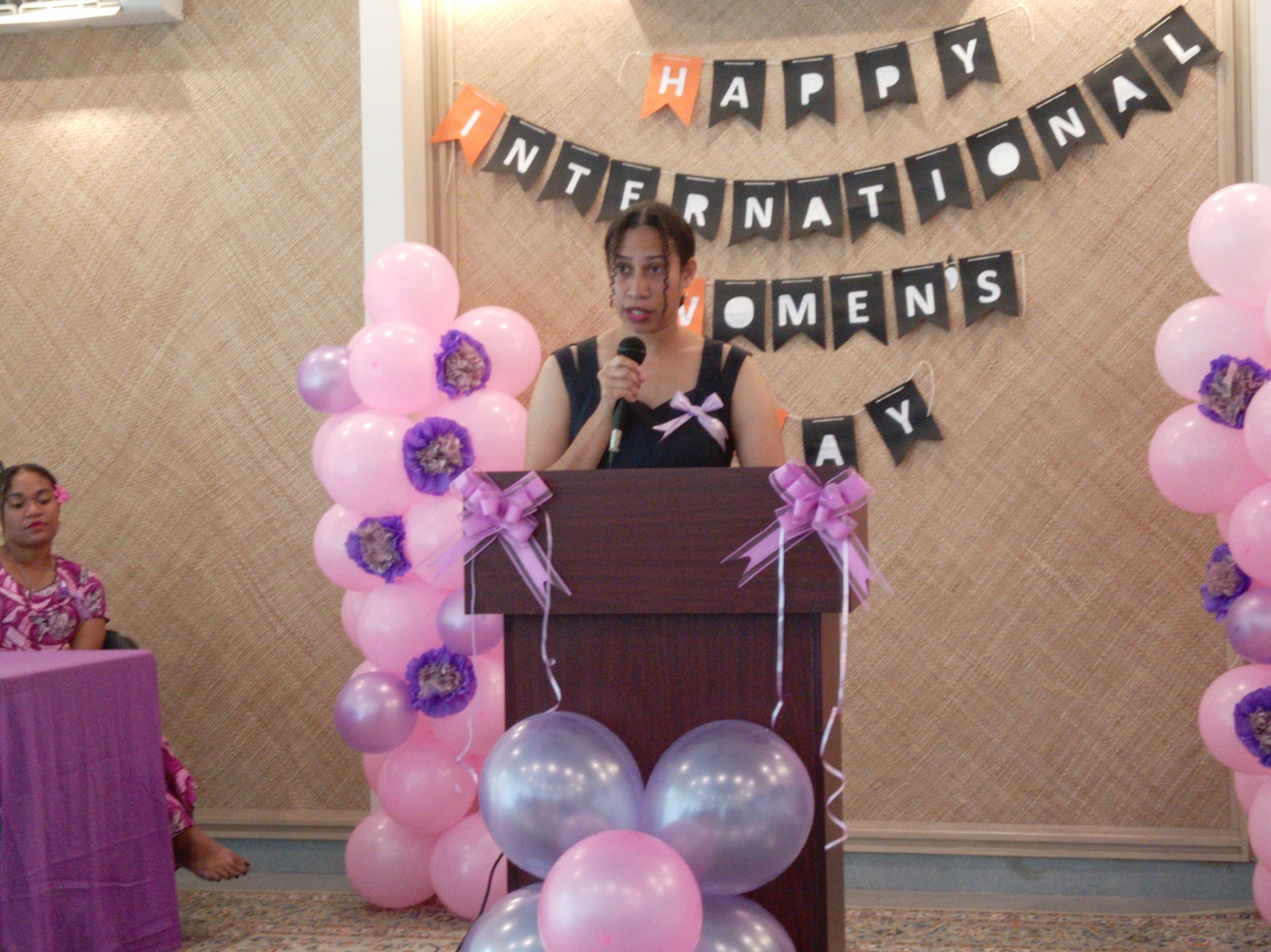
The Bahá’ís of Papua New Guinea Inc. hosted a modest gathering in Port Moresby at the Bahai Visitor's Centre ahead of International Women’s Day, bringing together individuals to reflect on justice, equality and the role of women in building resilient societies.
Speaking at the event, Danielle Winfrey, Manager for Family, Gender Equity and Women’s Empowerment at the National Capital District Commission (NCDC), highlighted the importance of community awareness and support systems in addressing gender-based violence and empowering women and families.
Winfrey said the observance was not only a celebration of women’s achievements but also an opportunity to reflect on how individuals and institutions can advance justice and equality within their communities.
She explained that statistics show many women and girls continue to experience different forms of abuse, including physical, emotional and financial abuse, often linked to power imbalances in relationships.
"Many women and girls have survived because of power dynamics, the cultures that we are born and raised in."
"We are dealing with a largely patriarchal society."
Winfrey also emphasized that gender equality is not about diminishing men but about men and women working together in harmony to strengthen families and communities.
"When it comes to laws like the Family Protection Law, a lot of people think, it's for women, it's not."
"Men also use it to protect themselves against violence."
Also addressing the gathering was Marie Louise Joekari, Director of the PNG Bahá’í Office of External Affairs, who spoke on the theme of justice as the foundation for equality and unity in society.
Joekari said justice, equality and unity are essential principles that must guide the development of families, communities and institutions.
She reflected on the contributions of women leaders in Papua New Guinea’s history who have advanced women’s participation in leadership and development, while also acknowledging the many women at grassroots level whose work continues to sustain families and communities.
Despite progress made over the years, Joekari said significant challenges remain, including gender-based violence, limited political representation for women and unequal access to economic opportunities.
"These realities are an exposing truth that cannot be ignored."
She said achieving meaningful change requires collective commitment from all members of society, including men who play an important role in supporting the advancement of women.
Joekari encouraged participants to reflect on how they can contribute to justice and equality in their own spheres of influence.