

The Somare Institute of Leadership and Governance (SILAG) says its push to become a specialized public service university will help strengthen leadership, governance and workforce development across Papua New Guinea.
The institute has completed a major phase of preparations required for university accreditation, bringing it closer to its target of attaining university status by 2027.
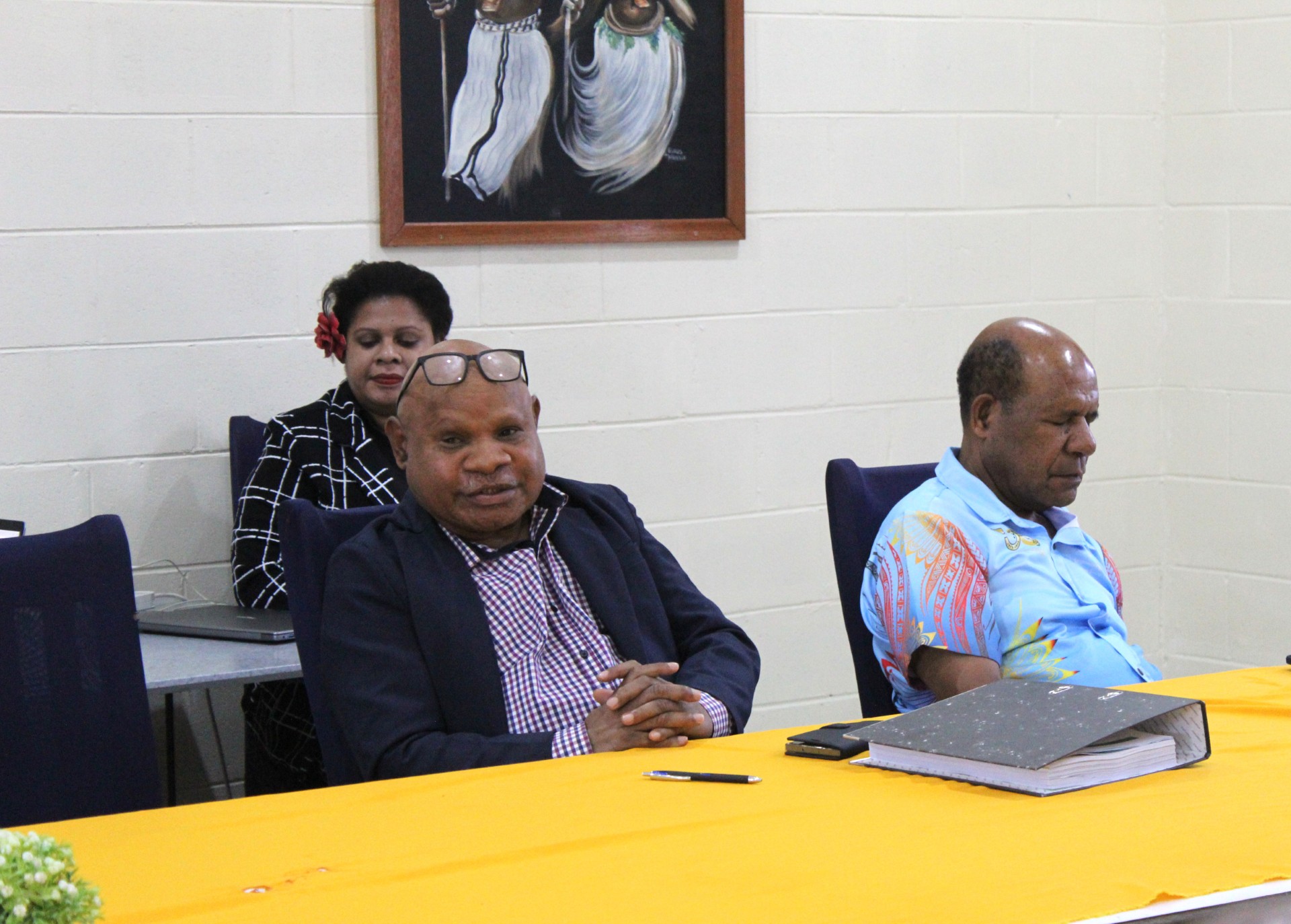
The achievement follows an intensive five-day workshop involving senior staff and members of the University Accreditation and Establishment Working Committee, who developed the governance and academic frameworks required by the Department of Higher Education, Research, Science and Technology.
Committee Chairman Robert Nemala said the work represents more than an administrative exercise.
"What we've accomplished is not just a procedural milestone—it's a foundation for the future of public service education in Papua New Guinea," Mr. Nemala said.
SILAG's transformation aligns with the country's Medium-Term Development Plan IV (2023-2027), which prioritises stronger national institutions, improved governance, and expanded access to quality higher education.
As a specialized public service university, SILAG plans to broaden its academic offerings while enhancing research and leadership training opportunities for government officers and future public sector leaders.
Chief Executive Officer Michael Barobe said the institute's progress reflects a shared commitment by staff and management to create a centre of excellence for leadership and governance.
"Teamwork makes the dream work," Mr. Barobe said while commending staff for completing one of the most critical stages of the accreditation process.
Mr. Barobe also acknowledged the contribution of Professor Maretta Kula-Semos, whose academic leadership has guided the accreditation preparations.
Professor Kula-Semos said SILAG's vision extends beyond achieving university status.
"We are not just building a university—we are building a legacy of excellence in leadership and governance for generations to come," she said.
As preparations continue, SILAG's leadership remains focused on meeting remaining accreditation requirements while positioning the institution as a key contributor to national development and public sector reform.