

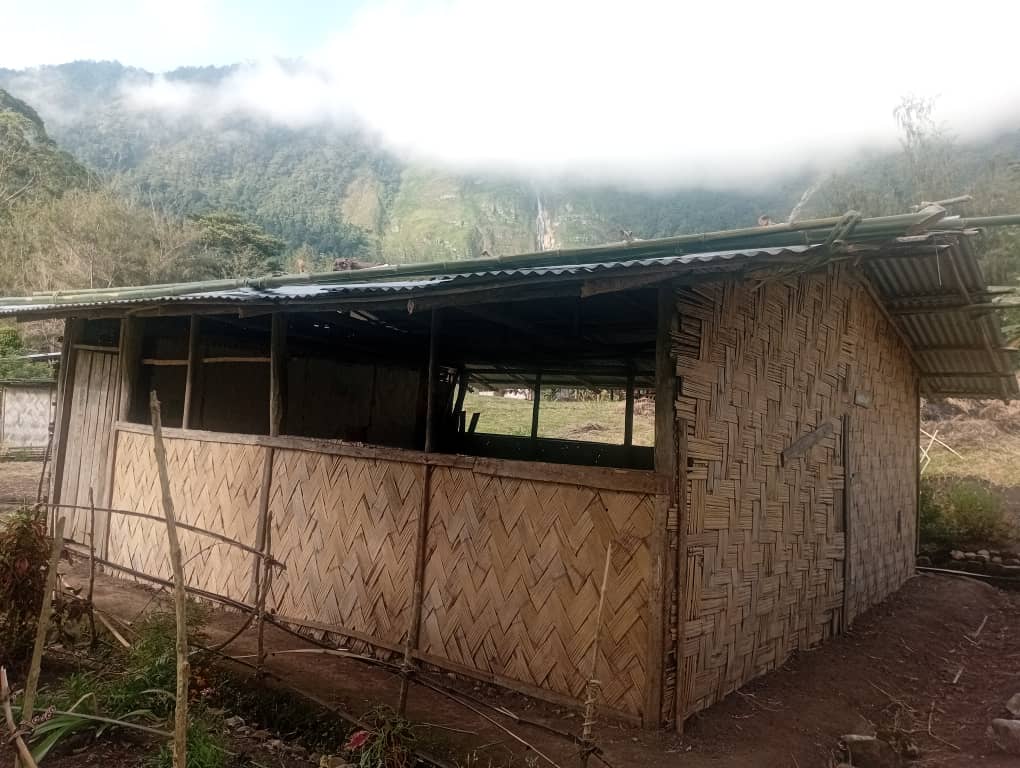
The Yawan Primary School is fighting to keep its doors open as high transport costs and isolation threaten education in this remote community.
The school is only accessible by chartered aircraft via a small rural airstrip. There are no roads linking the village to other parts of the Kabwum district in Morobe province.
Head teacher Albert Stanley said the school relies entirely on air transport. Flights are used to bring newly appointed teachers, building materials, school supplies, and professional development resources. Large sums of money are spent on charter flights, which are limited by freight capacity.
There are no regular flight schedules. Delays in plane availability often push back the start of the school year when teachers cannot reach the school on time.
Communication is also a challenge. Mobile phone coverage is poor and unreliable.
The school faces a shortage of Standard Based Curriculum materials, leaving both teachers and students with limited resources.
Geography makes attendance difficult. Children walk long distances, cross rivers, and climb steep mountains. During bad weather, travel can be dangerous.
Health and banking services are almost non-existent. Families cannot access clinics locally or use bank cards.
Infrastructure development is hampered by the reliance on air transport. Building permanent classrooms and staff houses is difficult. Support from the district and Local Level Government is limited.
When teacher positions are vacant, classes are combined. Government tuition fee subsidies provide basic resources, while the district education office assists with professional development and school operations.
Despite these challenges, the community remains committed. Parents maintain bush material classrooms, provide garden food for teachers, and organize clean-up campaigns. Local leaders meet regularly to discuss school matters.