

Papua New Guinea's tuna fishing industry is strengthening its efforts to improve crew welfare, prevent marine pollution and meet international sourcing requirements as overseas markets place greater demands on responsible fishing practices.
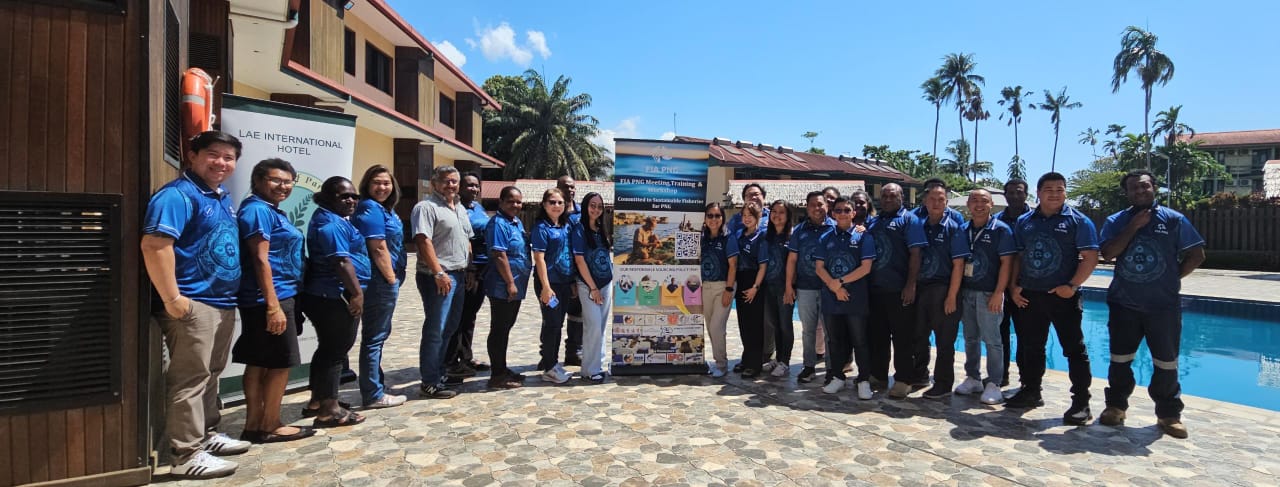
The issue was a major focus of a two-day workshop organised by the Fishing Industry Association of Papua New Guinea (FIA PNG) in Lae, bringing together representatives from six fishing fleets to review industry standards and discuss practical improvements.
FIA PNG Chief Operating Officer Marcelo Hidalgo said the association was moving beyond awareness training to focus on how fishing companies implement the requirements across their operations.
He said the workshop was examining real cases identified through social accountability assessments, including the working and living conditions of crew members aboard fishing vessels.
The assessments examine whether crew members have employment contracts, receive their wages, and are provided with essential items such as food, drinking water, and personal protective equipment.
Hidalgo said the aim was to ensure fishing companies understood their responsibilities and that crew members were aware of their rights and obligations.
The training is part of FIA PNG's Responsible Sourcing Policy, introduced in 2018, which covers four areas: sustainability, social accountability, marine litter and fishing gear management, and traceability.
Hidalgo said representatives attending the workshop would take the updated information back to their respective companies and extend the training to crews across their fishing vessels.
Beyond workers' welfare, the association is also working to reduce marine pollution, particularly abandoned or lost fishing equipment known as ghost gear, which can continue trapping marine life underwater.
Hidalgo said fishing vessels were required to retain used fishing materials and return them to port rather than discard them at sea.
Crews are also trained to safely release endangered marine species, including turtles, sharks and manta rays, when accidentally caught during fishing operations.
FIA PNG represents nine tuna fleets operating 55 fishing vessels and has six tuna processing companies among its members.
Hidalgo said maintaining responsible fishing practices was important not only for protecting marine resources but also for maintaining the confidence of international tuna buyers.
The association says its efforts are aimed at strengthening transparency, accountability and working conditions across Papua New Guinea's fishing industry.