


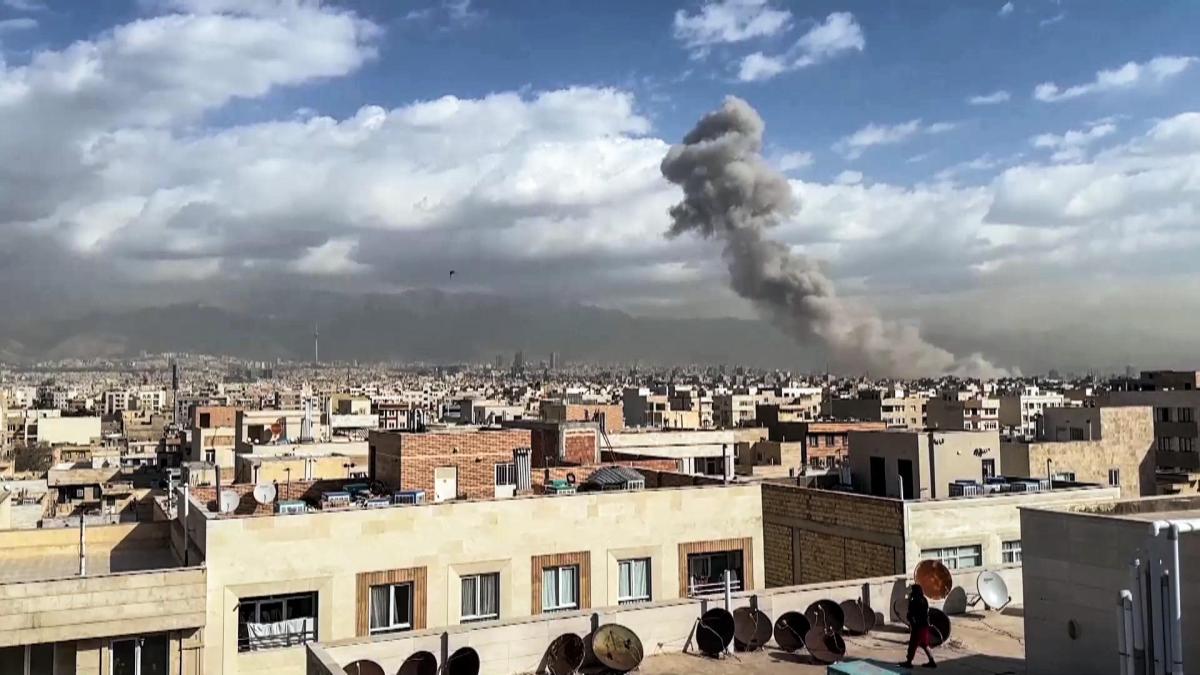
The escalating conflict in the Middle East between Israel, the United States and Iran along with its proxies is being closely watched by the world for its impacts on the world economy and the impacts on the supply and shipment of oil.
Prime Minister James Marape in a statement released on Sunday 1st March, said the Government of is closely monitoring developments arising from the escalating conflict in the Middle East, with particular attention on its potential impact on global prices and the domestic economy.
The prime minister said his government is monitoring the global conflict and is ready to act on fuel issues and price of goods if things get really bad.
In terms of the supply of fuel, which is vital for pretty much everything from service to the supply of goods, the pacific is expected to be hit as well, with analysts warning that fuel prices are expected to jump in the region following the Israeli and US attacks on Iran.
This is because Iran borders the Strait of Hormuz, which carries 20 percent of the world's oil and gas supply, and the shipments have been suspended so far following the attacks. This could lead to implications on fuel supply and price.
Fuel Supply for PNG
For PNG, the matter of fuel supply at this stage is not an issue says Puma Energy PNG Ltd.
According to a short message from Puma Energy PNG’s General Manager, Mr. Daniel Duffau, Puma Energy PNG has sufficient stocks in-country to ensure security of supply and meet current customer demand. Most of fuel supplies to PNG comes from Asia.
“We continuously monitor market developments, and we are well positioned to manage short-term volatility while maintaining reliable operations,” he said.
More broadly, he said Asia relies heavily on crude and refined products from the Gulf region, reflecting long-standing trade flows and refinery configurations.
He added that while there are several geopolitical, logistical and market factors at play, supply chains remain operational. This is because many Asian economies maintain strategic petroleum reserves that provide an additional buffer, reinforcing regional energy security should disruptions occur.