

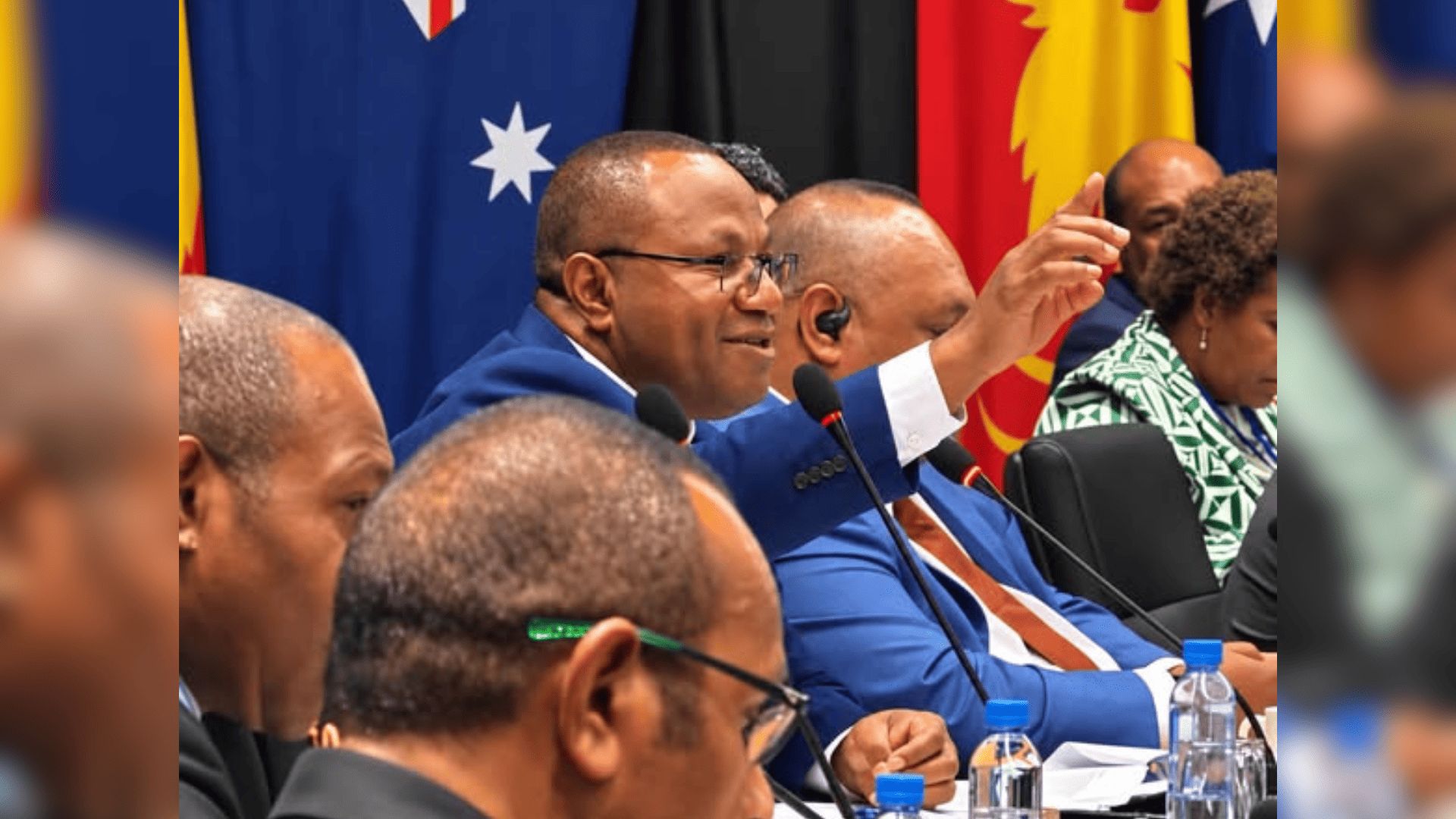
Papua New Guinea is looking to strengthen its technical and vocational education and training (TVET) system through closer cooperation with Australia to better prepare young people for employment.
Minister for Higher Education, Research, Science and Technology, Kinoka Feo, stressed the need to improve vocational training systems, expand industry-based training and apprenticeships, and strengthen the capacity of training institutions.
Speaking at the PNG–Australia Ministerial Forum in Port Moresby on October 21, Minister Feo acknowledged Australia's longstanding support for PNG's education sector through Australia Awards Scholarships and Australian-supported vocational training programmes.
“Australia has been a longstanding partner in developing our human resources. We acknowledge and sincerely appreciate the investment made in educating and training Papua New Guineans over many years.”
Minister Feo also commended the quality of training facilities, practical instruction and industry-focused skills delivered through Australian-supported vocational programmes.
“We must ensure that the skills acquired through training translate into meaningful employment opportunities.”
The Minister said training institutions must respond to workforce needs both within Papua New Guinea and internationally.
He also highlighted the proposed PNG–Australia Skills, Employment and Labour Mobility Action Plan as an opportunity to develop stronger employment pathways for qualified Papua New Guineans in Australia.
Minister Feo said closer coordination between government agencies, training institutions and employers would be important in identifying priority occupations, aligning training standards and creating employment opportunities.
“Education must not end with graduation. It must create opportunities for our young people to enter the workforce, contribute to economic development and improve their livelihoods.”