

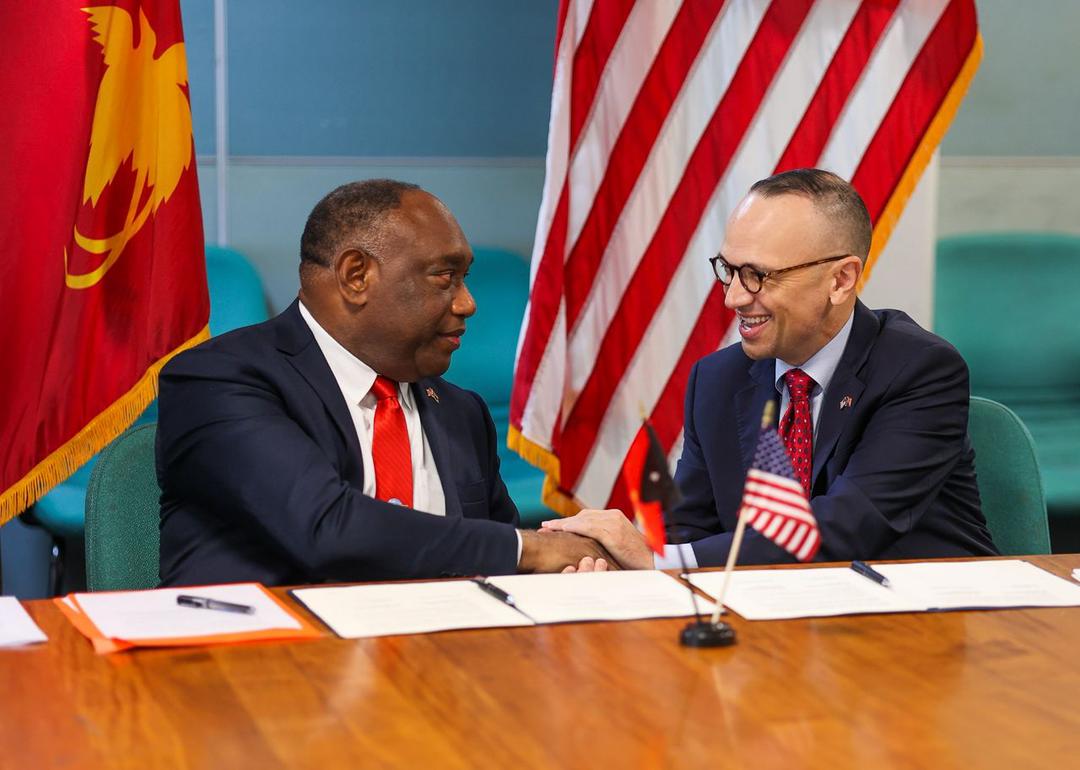
The United States has outlined a new health partnership with Papua New Guinea aimed at improving everyday healthcare services, strengthening hospitals, and helping the communities access faster diagnosis and treatment for life-threatening diseases.
United States Chargé d’Affaires Alex Berenberg said the initiative reflects a long-term commitment by the United States to support stronger and more responsive health systems in Papua New Guinea, with a focus on practical outcomes for patients and communities.
The agreement includes a new U.S. investment of USD $15 million to strengthen disease prevention and response systems, improve HIV/AIDS treatment outcomes, and enhance early detection of infectious diseases across the country.
From the U.S. perspective, the goal is to ensure that health services are better equipped to reach people faster, especially in rural and underserved areas where delays in diagnosis and treatment can have serious consequences.
A major focus of the initiative is improving how quickly diseases are detected and treated. The United States is supporting the expansion of laboratory capacity, including the rollout of PCR testing equipment and integrated digital health systems that allow medical teams to track outbreaks in real time. These upgrades are intended to help health workers respond earlier and more effectively to emerging health threats.
The U.S. is also investing in critical hospital infrastructure, including liquid oxygen systems designed to ensure reliable supply for treating conditions such as pneumonia, tuberculosis, and complications during childbirth. These improvements are expected to strengthen emergency care and reduce preventable deaths in health facilities across the country.
Officials say the partnership is designed to move Papua New Guinea away from fragmented health reporting systems toward a more connected national network. This would allow doctors and health authorities to make faster, data-driven decisions and coordinate responses more efficiently during outbreaks.
“The program also supports long-term public health goals, including reducing maternal and child mortality rates and achieving global HIV treatment targets by 2030. From the U.S. standpoint, these benchmarks reflect broader efforts to strengthen health system performance and improve patient outcomes over time.”
The United States has previously invested significantly in Papua New Guinea’s health sector, supporting HIV/AIDS programs, disease surveillance systems, and laboratory infrastructure development. Officials say the new agreement builds on this foundation while expanding capacity for early detection and response.
Berenberg described the partnership as part of a broader effort to improve regional health security in the Indo-Pacific while ensuring that investments translate into tangible benefits for individuals and families.
The initiative is expected to enhance access to timely diagnosis, improve treatment delivery, and strengthen the overall resilience of Papua New Guinea’s health system, particularly in remote and high-need communities.