

Gerehu Secondary School in Port Moresby is using its Student Representative Council (SRC) election as a practical lesson in democracy, giving students firsthand experience of the electoral process ahead of Papua New Guinea’s next National General Election (NGE).
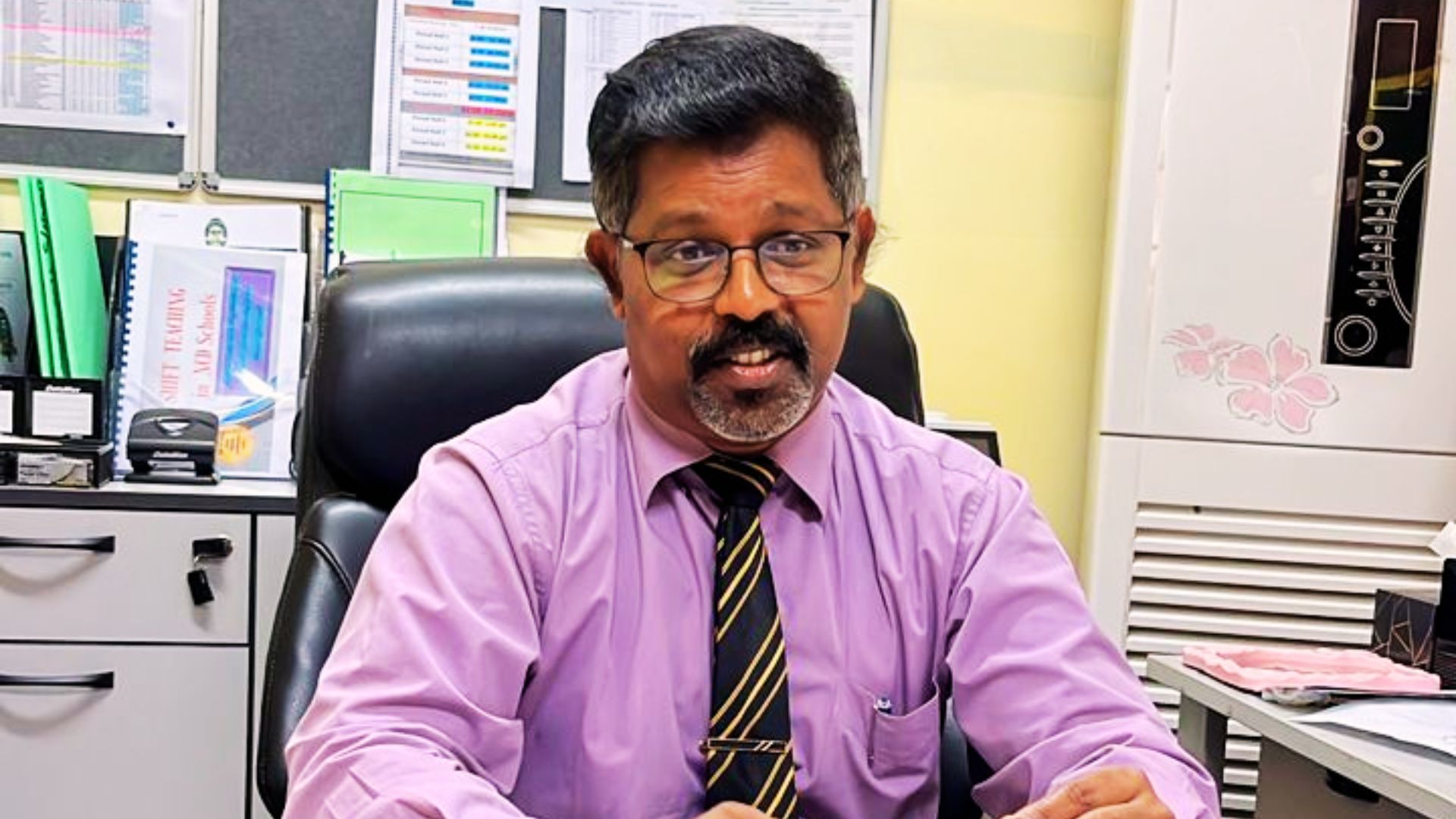
School Principal Mr. Saju Francis said the initiative is particularly significant this year as many students will become eligible voters by the time the country goes to the polls next year.
“Gerehu Secondary School is one of the largest secondary schools in the country and the largest in the city, with almost 3, 000 students,” Mr. Francis said.
“While SRC elections are held in schools every year, this year’s election carries greater importance because the national election is coming up next year.”
Mr. Francis said the school aims to teach students key democratic principles, including freedom of choice, fairness, respect for different opinions, and the value of every vote.
To strengthen the learning experience, officers from the PNG Electoral Commission attended the election and provided demonstrations on how national elections are conducted.
“The students will witness how a general election should be conducted and learn the importance of democracy and the power of citizens in a democratic country.”
The election is being conducted using the Limited Preferential Voting (LPV) system, the same voting method used in PNG’s national elections.
Students cast their votes in an organized process at the school assembly hall, where polling booths have been established, and election officials appointed.
Mr. Francis explained that only students who will remain at the school next year are eligible to vote.
Grade 10 and Grade 12 students are excluded because they will leave the school at the end of the academic year.
Instead, students from Grades 7, 9, and 11, are voting to elect the school’s Head Boy and Head Girl for the following year.
This year’s candidates are drawn from Grade 11 students, with three candidates contesting for Head Boy and four candidates contesting for Head Girl.
“We have declared the writ in the normal way during assembly and will close the writ after counting is completed next Monday.”
According to Mr. Francis, the election serves as a practical lesson that extends beyond classroom learning.
“We want to showcase to parents and the public how we teach democracy in the school, not only through textbooks but through real experiences.”
“In a small population such as a school, sometimes one or two votes can determine the winner. That teaches students how important every single vote is.”
He stressed that the exercise is especially important because many students are approaching voting age.
“Most of our students are now 17 or 18 years old. By the time the national election arrives, many will be eligible to vote for the first time.”
“They are excited, and this election helps prepare them for that responsibility,” he concluded.