

The situation in Papua New Guinea regarding the transmission of HIV to infants is a profound public health emergency that demands immediate, unified action.
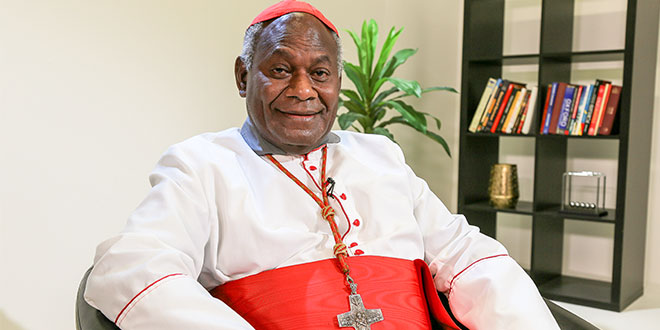
Archbishop His Eminence Sir John Cardinal Ribat, stated that with seven babies born with HIV every day, the nation faces a direct threat to the core pillars of Vision 2050.
Addressing this crisis requires a shift from silence to proactive community engagement and clinical intervention.
The statistics surrounding Parent-To-Child Transmission (PTCT) are sobering.
“Without treatment, 30 – 45% of exposed infants become infected, and most die within two years.”
This loss of life is entirely preventable in the modern medical era.
When pregnant mothers have access to proper care, the outlook changes drastically, as effective, early intervention using antiretroviral therapy (ART) can reduce the risk to less than 1%.
This disparity highlights that the crisis is not a lack of medicine, but a lack of access, awareness, and the persistence of social stigma.
He stated that several systemic and social factors are currently driving the increase in infant infections.
Meanwhile, the National Department of Health (NDoH) and its partners have identified that low HIV testing rates at Antenatal clinics in all districts and limited access to antiretroviral therapy are primary hurdles.
The high-risk behaviours of the adult population, including multiple sexual partners and unsafe sexual practices, continue to fuel the spread.
“To counteract this, there must be a national movement to ensure that pregnant mothers should always consider early compulsory HIV counselling and testing through available district clinics.”
Papua New Guinea has a history of successfully managing these risks through collaborative efforts. Between 2003 and 2013, church-led clinical care programs demonstrated that an HIV-free generation is possible.
Cardinal Ribat said that Mingende Rural Hospital in Chimbu Province was a success story of Preventing the Parent-To-Child transmission through dedicated community outreach and clinical excellence.
“These historical successes provide a roadmap for the current crisis, emphasizing that when churches and government facilities are well-funded and maintained, they become the strongest line of defense for the unborn.”
Furthermore, Cardinal Ribat stressed that the government must prioritize the allocation of resources to organizations with the deepest community reach.
“A critical step involves a commitment to PNG Christian Leaders Alliance on HIV & AIDS Secretariat to ensure churches HIV services and facilities are improved.”
“By investing in these networks, the country can foster consistent community awareness and education on STI’s and HIV that penetrates even the most remote districts.”
“We must collectively ensure that fear and shame do not prevent citizens from accessing life-saving treatments that are both free and available.”