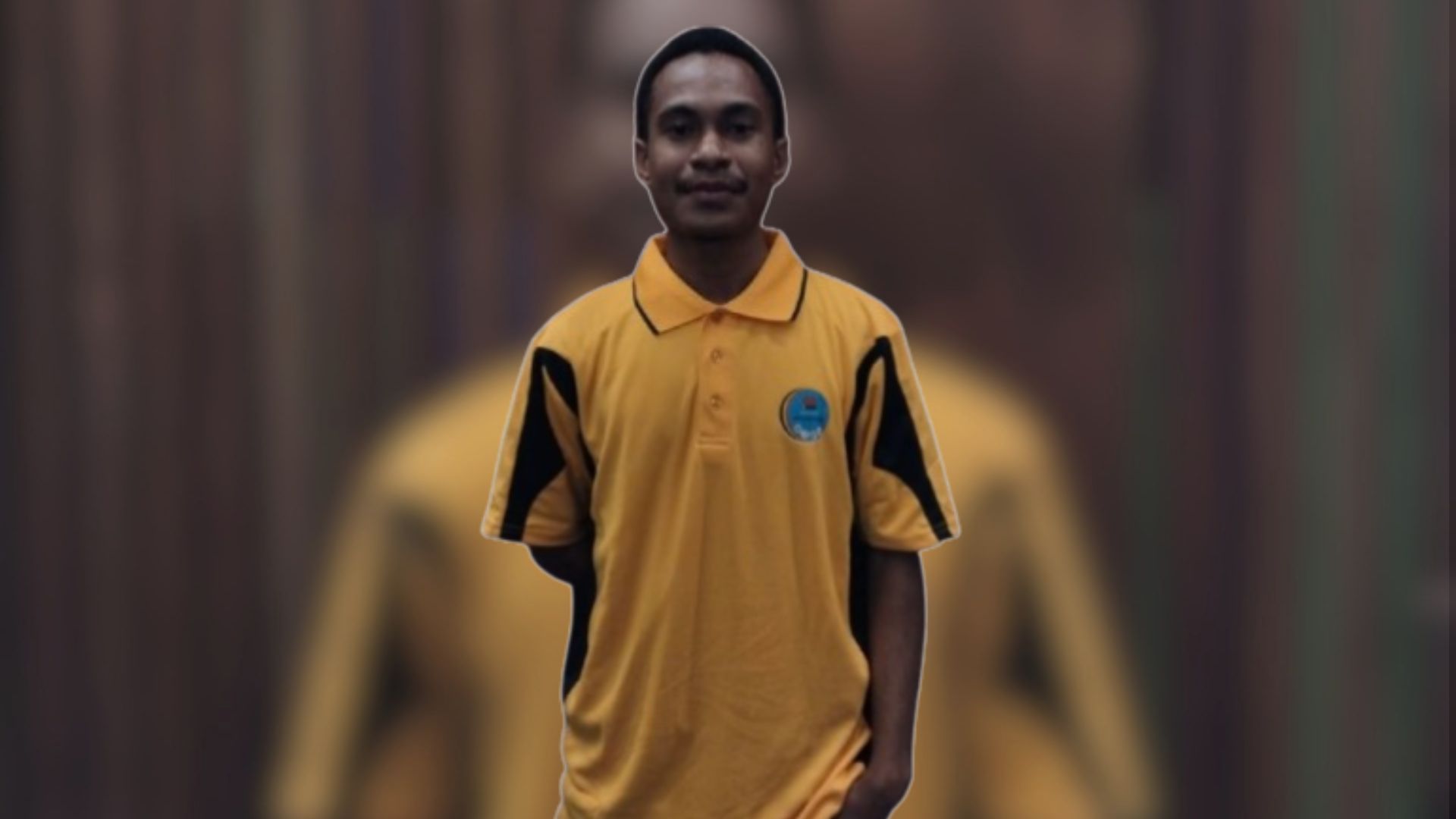


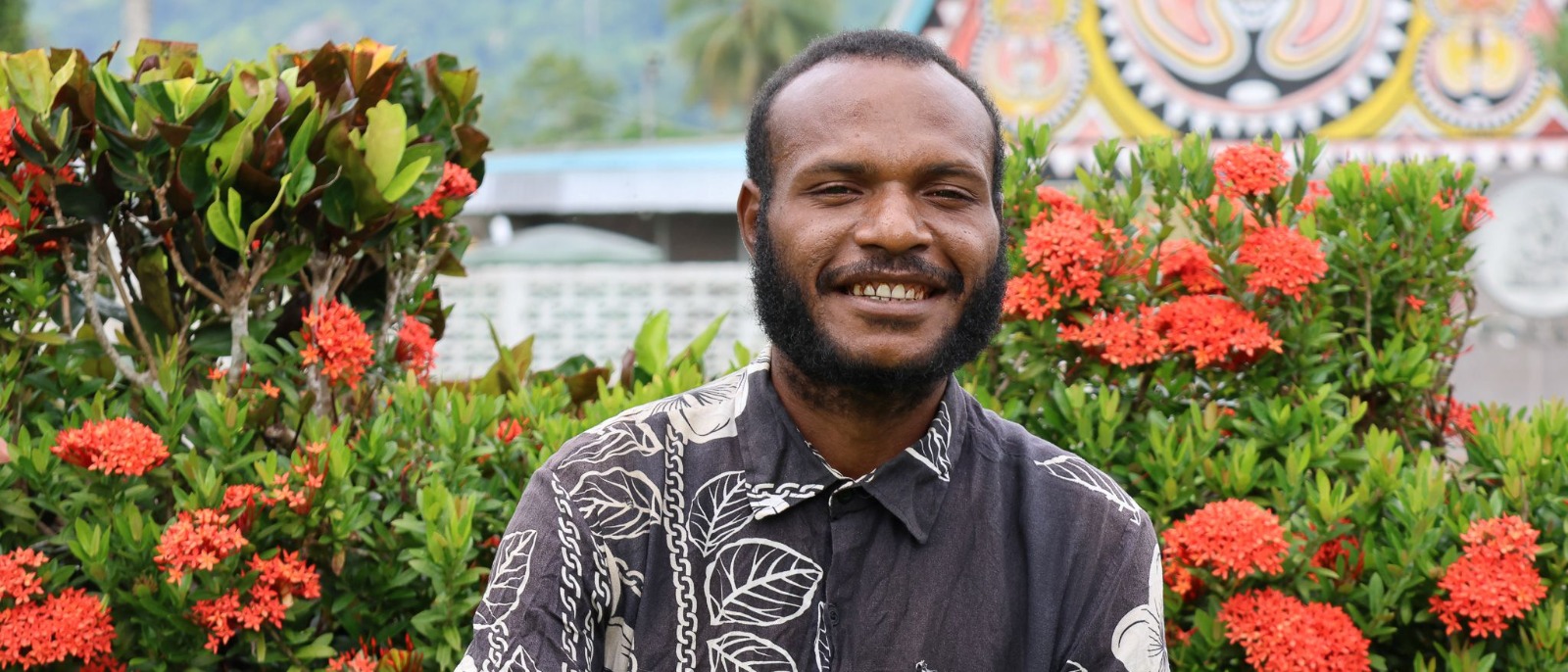
For 26-year-old Isaka Samaku, growing up in the remote village of Ambuket in East Sepik Province, a university education once seemed impossible. Today, he is a first-year Diploma in Primary Education student at Divine Word University's Wewak Campus, determined to return home as a teacher and help transform his community through education.
Isaka said life in his village has long been defined by poverty, with most families relying on subsistence living and limited opportunities to improve their livelihoods.
"In my community, many people focus only on meeting their daily needs because education and income opportunities are limited," he said. "I want to become a teacher so I can educate our children, change mindsets, and help build a better future for my village."
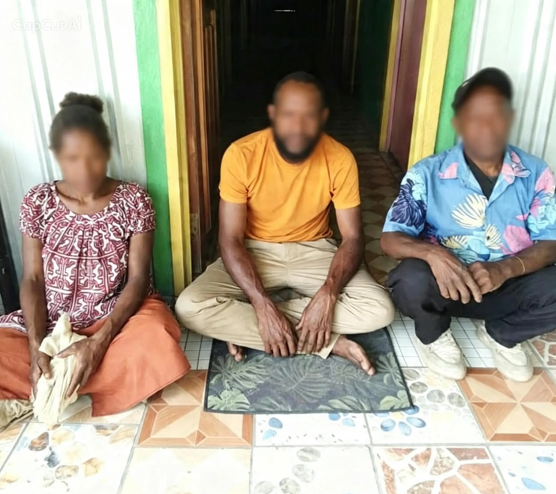
His journey to university has been made possible through his family's revived cocoa farming business. His parents, Rex and Brenda Samaku, rehabilitated their cocoa blocks with support from the European Union-funded EU-STREIT PNG Programme, implemented by the Food and Agriculture Organization of the United Nations (FAO) in partnership with Cocoa Board PNG and the Provincial Division of Agriculture and Livestock.

Through the programme, the family received improved cocoa seedlings, farming tools, technical training, and support in fermentation and drying techniques, enabling them to produce higher-quality cocoa and earn better returns.
After years of declining production caused by ageing cocoa trees and the cocoa pod borer outbreak, the family's five cocoa blocks have been restored. In 2025, a single sale of five bags of dried cocoa beans earned more than PGK10,000, allowing Isaka's parents to pay his first-year university tuition.
Before entering university, Isaka was forced to leave secondary school several times because his family could not afford school fees. Today, he says the steady income from cocoa has given him a second chance to pursue his education.
Upon completing his studies, Isaka plans to return to Ambuket, where teacher shortages remain a major challenge.
"Our primary school only goes up to Grade Eight, and because it is so remote, teachers often leave after only a short time," he said. "That is why I chose primary education. I want to stay in my community and help educate the next generation."
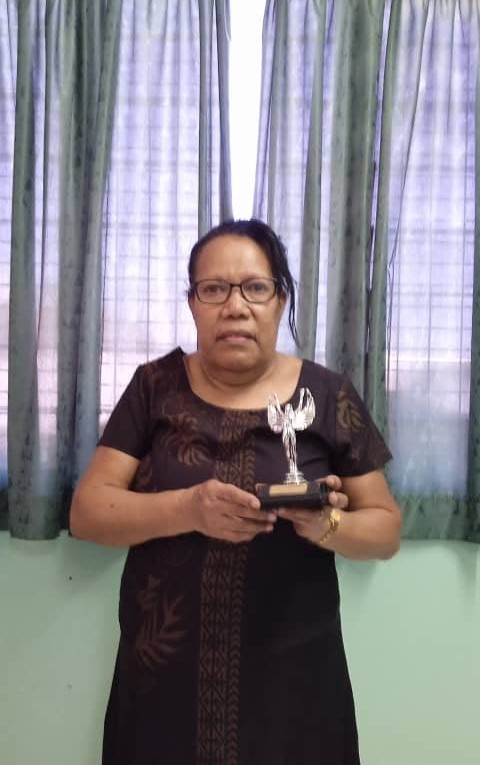
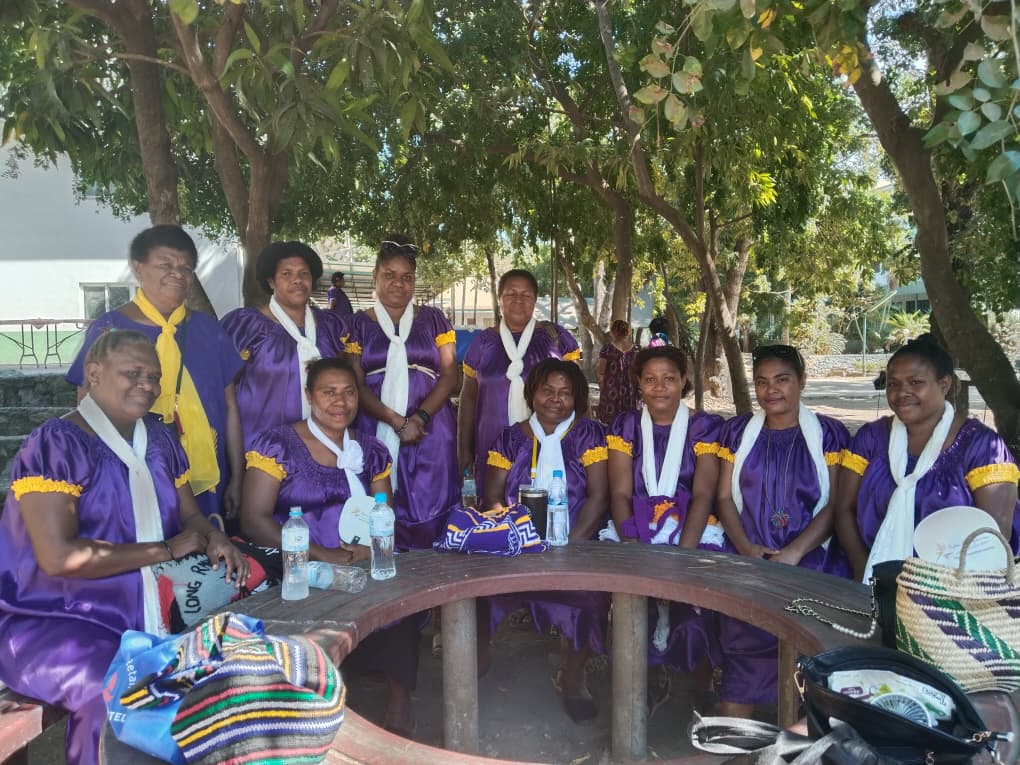
Beyond supporting his own education, the Chipquay Rural Distribution Agency Limited, established with support from the EU-STREIT PNG Programme, is using income from cocoa production to assist 10 students from remote communities to attend secondary and tertiary institutions.
Chairman Joshua Nimbikur said the group has also purchased land near Wewak to provide safe accommodation for students while they pursue their education away from home.
The success of families like Isaka's demonstrates how improved agricultural productivity can create opportunities beyond farming by supporting education, strengthening rural livelihoods, and helping communities break the cycle of poverty.
For Isaka, the message to other rural families is simple.
"It is through cocoa that I have come this far," he said. "If we invest in farming and education, we can create a better future for our children."