

POSTS BY AUTHOR

Aseneth WAIDE
 THE SUPER MARIO GALAXY MOVIE (2026): A FILM REVIEW BY PNG HAUSBUNG
Director: Aaron Horvath, Michael JelenicCast: Chris Pratt, Anya Taylor-Joy, Charlie Day, Jack Black, Keegan-Michael Key, Benny Safdie, Donald Glover, Brie LarsonRating: PG | Genre(s): Animation, Action, Adventure, Comedy, Family, Fantasy | Run Time: 1hr 38minGREAT FOR NOSTALGIA – OCCASSIONALLY CORNY“Straight out of Illumination Studios, The Super Mario Galaxy Movie (2026) delivers vibrant animation and nostalgic game call-backs, but ultimately leans on familiar storytelling and formulaic structure, making it more of a visually enjoyable experience than a narratively bold one.”Mario (Chris Pratt), Luigi (Charlie Day), Princess Peach (Anya Taylor-Joy), Toad (Keegan-Michael Key) and Yoshi (Donald Glover) must journey across various planets in the galaxy after Rosalina (Brie Larson) – Guardian of the Cosmos – got abducted by Bowser Jr (Benny Safdie).The film’s plot is simple and fairly easy to comprehend through its usage of the classic damsel-in-distress trope – but with a twist. Pacing was slow during close up interactions between Peach and Mario, resulting in the scenes feeling more of a bore than emotionally charged. In terms of originality, Princess Peach taking initiative to be the primary rescuer was a fresh change from outdated stereotypes in film. Overall, the movie still retains formulaic storytelling.The Super Mario Galaxy Movie features iconic tracks from the original games (arranged by Brian Tyler) woven into adapted scenes to evoke a strong sense of nostalgia among viewers. Titles such as Overworld Theme (Ground Theme) remixed into an orchestral score, are utilized rather than pop music. This results in a more immersive and game faithful landscape.Bowser Jr was underwhelming as a villain, despite getting a strong start. There was potential for him to be written into a much stronger antagonist. The drawback occurred when he was given an empathetic and cheesy backstory shifting the focusing to a cliché father-wound rather than putting more emphasis on him and Bowser’s naïve ambitions of power. Ultimately, Bowser Jr’s character suffers from poorly handled development.Overall, The Super Mario Galaxy Movie (2026) brings a visually vibrant and musically rich adaptation of Nintendo’s beloved franchise, effectively capturing the charm and energy of the original games. While its animation, soundtrack, and world-building stand out as clear strengths, the film struggles with uneven pacing and a reliance on cliché storytelling structures that diminish its narrative impact. Some character arcs, particularly Bowser Jr.’s, feel underdeveloped, preventing the film from reaching its full emotional or thematic potential. Nevertheless, nostalgic references and strong visual design help keep the experience engaging for fans.Final Verdict:A colourful and reminiscent space adventure elevated by striking animation and iconic soundtracks but held back by formulaic storytelling and inconsistent character development. Enjoyable for fans, but not groundbreaking.★★★⯪☆ (3.5/5)
Published on July 3, 2026
 WAR MACHINE (2026): A FILM REVIEW BY PNG HAUSBUNG
Director: Patrick HughesCast: Alan Ritchson, Dennis Quaid, Stephan James, Jai Courtney, Esai Morales, Keiynan Lonsdale, Daniel WebberRating: R (U.S.) | Genre(s): Action, Sci-Fi, Thriller | Run Time: 1hr 47min“From military exercise to a fight for survival.”A military staffer, called 81 (Alan Ritchson), is tasked with leading his team to pass a military exercise but encounters an extraterrestrial force determined to hunt them down.War Machine is a military survival thriller that explores themes of leadership under pressure, survival, team loyalty, trauma, and sacrifice. What begins as personal ambition for 81 eventually develops into a coordinated effort that requires 81 to set aside his individual agenda for a greater mission at hand, while accepting the harsh reality that despite best efforts, not everyone survives. Overall, it is about mental survival rather than just physical.The film’s defining feature would be the concept of training-turned battle. Unlike most military films that start off in a warzone, War Machine takes a different approach, putting rookies and very few experienced fighters into an unexpected gritty situation. Additionally, the characters must battle an enemy that is not even human. Ultimately, the shift from military drama to sci-fi horror gives a distinctive touch.Computer Generate Imagery (CGI) appears more artificial than realistic in certain scenes. This is especially exhibited during transit sequences, in which military helicopters seem more like raw 3D models because of unrealistic textures and occasionally movement. Although the CGI quality is above average, it falls short of blockbuster standards.War Machine succeeds in delivering a tense, engaging survival story, that stands out due to its departure from conventional introduction-to-war stories. The film balances military realism and science fiction horror, creating sustained suspense while exploring the psychological weight of leadership, sacrifice, and trauma, although CGI does weaken immersion into the story.Final Verdict:War Machine is a blend of military thriller and sci-fi horror that succeeds more through its unique storytelling aspects and character development than its visual effects.★★★⯪☆ (3.5/5)
Published on June 30, 2026
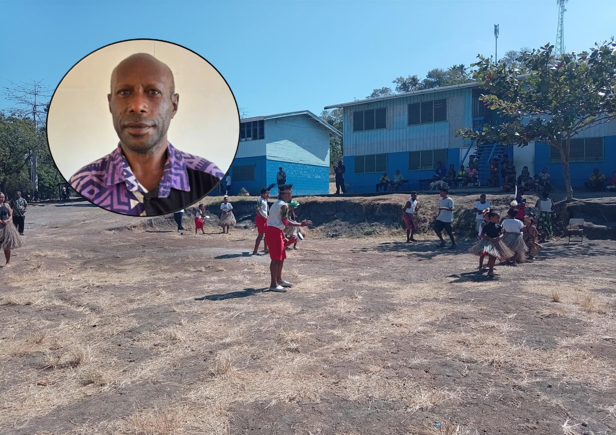 TEACHER HOUSING REMAINS BIGGEST CHALLENGE FOR TUBUSEREIA JUNIOR HIGH
A shortage of teacher housing remains the biggest challenge facing Tubusereia Junior High School in Central Province, despite steady progress in developing infrastructure and improving learning facilities.Headmaster Mr. Nelson Kwagwi said the school, established as a Junior High in 2024 under Papua New Guinea's 1-6-6 education reform, has grown to 485 students with 12 teachers and is now in its third year of operation."We all started together when the school was established, and this is now our third year.”He said while the school has successfully established specialist facilities such as science, practical skills and home economics classrooms, accommodation for teachers remains a critical issue."Only about three teachers are accommodated within the school. The rest are renting outside, and that creates challenges.”Kwagwi explained that housing difficulties contribute to teacher absenteeism, as some staff struggle with rental costs and commuting.He said the school has already lost several teachers, placing additional pressure on those who remain."If teachers are properly accommodated at the school, we can minimize many of these problems. Teacher housing must be a priority because it directly affects classroom learning and students' academic performance.”The school currently caters for students from Grades 7 to 10 with eight classes and maintains a near-equal enrolment of boys and girls.Kwagwi said the school has also strengthened its learning environment by establishing an ICT laboratory and restoring internet access through a new Starlink service after its previous agreement expired.He added that student attendance remains strong despite staffing challenges."Our students continue to come to school every day. Their interest in learning is still high, and we want to ensure we continue providing quality education.”On disaster preparedness, Kwagwi said the school had already experienced the effects of El Niño through water shortages and has put measures in place to ensure water remains available for students and staff.The school plans to refill water tanks regularly, reduce outdoor activities during prolonged dry periods and prioritize the health and wellbeing of students and teachers throughout the dry season.Kwagwi said the school also welcomed the construction of a new multipurpose hall from BSP, which will complement existing facilities and further improve the learning environment for students.In regard to GTFS, the school has received both its first and second quarters, which was approximately K70, 000 for each term.
Published on June 30, 2026
 BSP SUPPORTS TUBUSEREIA JUNIOR HIGH WITH NEW FACILITY
Tubusereia Junior High School in Central Province is set to receive a new multipurpose hall following a ground-breaking ceremony led by Bank South Pacific (BSP) under its ‘50 for 50 Givim Back’ initiative.The project is one of fifty community initiatives being funded by BSP to commemorate Papua New Guinea’s 50th anniversary.Speaking at the ceremony, BSP Chief Executive Officer (CEO) Mark Robinson said the initiative allows BSP staff to give back to their home communities through projects that create lasting benefits.He said the Tubusereia project was nominated by BSP employees from the village, where more than 30 staff members originate, making the school one of the first recipients of the program.“Through this initiative, we are investing over K2.5 million back into communities.”“To date, we have seventeen out of fifty initiatives that are approved underway.”For Tubusereia Junior High School, the donation arrives at a critical juncture. School Board Chairman Kora Nou explained that the institution has faced severe infrastructure challenges since being formally recognized as a junior high school three years ago.He described BSP’s intervention as a crucial milestone toward elevating learning conditions for the students.He also acknowledged the Australian government for approving funding for the school’s perimeter fencing and thanked other partners who have contributed to the school’s development.Headmaster Nelson Kwagwi, echoed these sentiments, expressing gratitude to BSP, on behalf of the students, teachers, parents, and the wider Tubusereia community.He noted that BSP is the first corporate organization to step forward and help turn the school’s long-term vision into a reality.The project has also garnered strong local government backing. Member for Hiri-Koiari, Keith Iduhu welcomed the partnership, announcing a K50, 000 district contribution towards the project.He said collaboration between the private sector, government, and local communities, was essential to meeting the growing infrastructure needs of schools and improving education outcomes.The new multipurpose hall is expected to provide students with a dedicated space for assemblies, replacing the open area where they have gathered since the school's establishment.
Published on June 30, 2026
 SUPERGIRL (2026): A FILM REVIEW BY PNG HAUSBUNG
Director: Craig GillespieCast: Milly Alcock, Jason Momoa, Eve Ridley, Matthias Schoenaerts, David Krumholtz, Emily BeechamRating: PG-13 | Genre(s): Action, Adventure, Sci-Fi, Fantasy | Run Time: 1hr 48minEMOTIONALLY CHARGED BUT RELIES HEAVILY ON ESTABLISHED LORE“DC’s Supergirl (2026) is power-charged superhero film with lessons on humanity and revenge.”Kara Zor-El (Milly Alcock) teams up with Ruthye Marye Knoll (Eve Ridley) after Krem of the Yellow Hills (Matthias Schoenaerts) murders Ruthye’s entire family and poisons Kara’s animal companion.The film blends a quest narrative with the urgency of a race against time, using Kara's mission to explore themes of resilience, revenge, and renewal. What began as a mission motivated by desperation and revenge gradually becomes a journey of self-discovery, revealing that true strength lies in forgiveness and not retribution. Overall, the story is less about saving the world than it is with confronting loss, embracing one's identity, and choosing compassion in the face of unimaginable pain.Millie Alcock delivers a solid and comic-accurate portrayal of Supergirl. Introduced as an alcohol-loving yet emotionally repressed hero, Kara deals with profound feelings of displacement after witnessing the destruction of Krypton. Rather than letting trauma define her, she demonstrates that true heroism lies in not in defeating enemies but in preserving one's compassion despite immense pain. As a result, Alcock captures the emotional depth and maturity that define Supergirl's acclaimed comic-book arc.Although Supergirl is clearly designed for a broad audience, its reliance on established comic-book lore may leave first-time viewers confused. Elements such as the different coloured suns that determine Kryptonians' powers, as well as the numerous planets and civilizations within the DC Universe, receive limited explanation and instead assume some prior familiarity with the source material. For long-time comic fans, these details enhance the film's world-building and reward existing knowledge. For newcomers, however, they may occasionally create moments of misunderstanding. Ultimately, the film's faithful adaptation to its comic-book origins is both a strength and a limitation, depending on the viewer's familiarity with the DC Universe.The film's reliance on the audience's familiarity with the DC Universe may prove to be a stumbling block for newcomers. However, for long-time fans, its faithful use of comic-book lore enhances the world-building and makes the adaptation all the more rewarding.Final Verdict:An emotionally charged and largely comic-book faithful adaptation, Supergirl successfully balances thrilling action with heartfelt character development. While its heavy reliance on established DC lore may leave some new watchers behind, its performances, mature themes, and faithful portrayal of Kara Zor-El make it a rewarding experience for both fans and audiences seeking a more character-driven superhero story.★★★⯪☆ (3.5/5)
Published on June 29, 2026
 ASIAN COMMUNITY DAY LAUNCHED TO PROMOTE INCLUSION IN PORT MORESBY
Asian Community Day is happening today, Saturday June 27th, 2026, as part of a broader vision to build a more inclusive, diverse and liveable Port Moresby.Speaking at the launch, National Capital District (NCD) Governor Powes Parkop said the celebration builds on the success of last year’s 50th Independence anniversary cultural program and the recent Pacific Community Day, bringing together Papua New Guineans and members of the Asian community to celebrate their shared contribution to the nation's development.Governor Parkop said Asian communities have played an important role in Papua New Guinea’s growth, contributing to business, infrastructure, tourism, education and healthcare, and deserve recognition for their long-standing partnership with the country.He said the event is not only about celebrating culture but also about strengthening social cohesion by fostering a greater sense of belonging among all communities that call Port Moresby home.“Our goal is to maintain Port Moresby as an inclusive city where people from all backgrounds can live, work, do business and raise their families together.”He said diversity has always been one of Papua New Guinea’s greatest strengths, with more than 800 languages and thousands of cultural groups, making inclusion a key part of the city’s future development.Asian Community Day will feature cultural performances, traditional cuisine, exhibitions and entertainment from the Filipino, Indian, Malaysian, Chinese and Bangladesh communities, alongside performances by local artists and guest performers from the Philippines and Indonesia.NCD Governor said the event also supports NCDC’s “Amazing Port Moresby” initiative, which aims to create a safer, more welcoming and family-friendly capital through community events that bring people together.He encouraged residents to attend the free public event and celebrate the cultural diversity that continues to shape Papua New Guinea and its capital city.
Published on June 27, 2026
 AZZIMBAH SPEAKS ON TECHNOLOGY AFFECTING MUSIC IN PNG
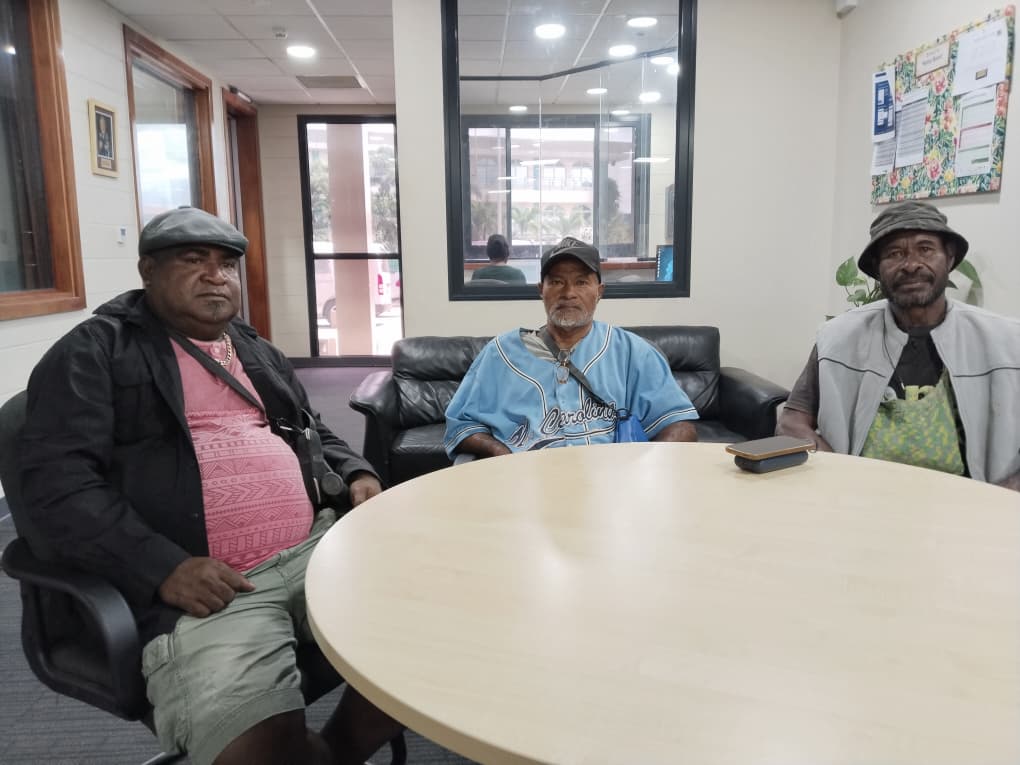
Members of Azzimbah Band have spoken on technology and how artificial intelligence (AI) has impacted the music industry and their journey as musicians.From recording studios, building skill with instruments and vocals, to utilizing the internet, Azzimbah has experienced an ever-changing market in Papua New Guinea that demands adaptability.Frontman, Martin Rawali, expressed his sentiments regarding the ubiquity of technology, and its influence on the country’s approach to music.He stated that technology has made the selling of music both simple and difficult.While in previous decades the selling of music was exclusively through tapes and cassettes, with the emergence of the internet, new benefits and challenges have arisen.“On the positive side, selling music has become much simpler with just a click of a button and through online registrations.”“However, our music has also been exploited through the use of AI. Azzimbah’s songs have been stolen and remixed without our consent.”“We tried to take legal action but it is impossible to find whoever is responsible for such actions.”He added that in previous decades, it took effort to produce a track whereas presently, technology has made individuals lazy.“Those songs were chart-toppers back in our time, and it took actual skill to create a hit song.”“You had to stand on stage and play for an audience. The way you sounded in a studio is how you should sound during live performances.”Rawali explained that this doesn’t mean that he totally dislikes AI.Band members acknowledge that AI is here to stay. However, they encourage individuals to utilize AI in creating unique and original content instead of capitalizing off of other musicians’ hard work.
Published on June 26, 2026
![SERIES REVIEW: RIPE TOWN (EPISODE [2])](https://pnghauslain.com/wp-content/uploads/2026/06/af27e4beb9acbe05f8a12e6c64847e5e.jpg) SERIES REVIEW: RIPE TOWN (EPISODE [2])
SERIES REVIEW: RIPE TOWN (EPISODE [2])
Director: Deng Ke (邓科)Cast: Yu Xiaowei, Bai Yufan, Ning Li, Zhang HaiyuAired: Oct 13, 2023 - Oct 22, 2023Rating: TV-14 | Genre(s): Crime, Mystery, Historical Drama, Thriller | Run Time: 54mins | Platform: WeTV | Language: Mandarin | Country: ChinaSet in the Wan Li period of the Ming Dynasty, a series of strange murders in Jiangnan County leave victims posed unusually with mysterious messages. Qu Sangeng, the apprentice of the first victim, joins others to investigate and uncovers links to a case from ten years earlier.Episode 2 of Ripe Town continues Qu Sangeng’s investigation into the murder of his late mentor, Zhang Xian. As the investigation progresses, new evidence arises questioning Zhang’s integrity while dealing with official duties.Bai Yufan’s character, Qu Sangeng demonstrates significant growth in judgement. This is displayed when new clues are discovered hinting at his mentor’s hidden corrupt. Instead of lashing out, Qu Sangeng quietly weighs the likelihood and is more accepting of his potential misjudgment of Zhang’s character.Pacing is inconsistent, with certain scenes fast while the rest of the film remains gradual. Introductory scenes unfold at a brisk, almost urgent pace with little room for characters to be firmly established for the audience. These moments are then contrasted by longer more gradual stretches where the story slows down considerably to focus on atmosphere, detail or procedural build-up. While the slower sections are crucial to follow the progression of events, the sudden shifts in tempo can create confusion, preventing a smooth narrative flow. As a result, the film fluctuates between momentum and restrain, affecting overall rhythm and consistency.The mystery expands as new suspects emerge, and additional victims are discovered, adding further layers to the case rather than simply advancing the central investigation. As Qu Sangeng establishes connections with street gangs, physicians and common folk, their accounts suggest the incident is far more complex than initially assumed. Furthermore, a sudden new death occurs, with the victim displaying a similarly unusual appearance to the earlier murders, further intensifying the sense of unease.The use of historical setting is both an advantage and disadvantage depending on the audience. The series incorporates details of the Ming Dynasty society and Chinese cultural beliefs into the investigation. For viewers with a semblance of knowledge on ancient Chinese society, understanding information that is dependent on cultural context is easily digestible. However, it remains daunting for uninformed audiences. Ultimately, the historical setting serves as both a strength and a challenge, rewarding informed viewers while demanding greater attention from newcomers.Final Verdict:A satisfactory follow-up that explores the setting in more detail as well as incorporating culturally authentic practices, although it can be a disadvantage to the uninformed viewer.★★★☆☆ (3/5)
Published on June 24, 2026
 PARKOP URGES PEOPLE TO INVEST IN THEIR HEALTH ON INTERNATIONAL YOGA DAY
National Capital District (NCD) Governor Powes Parkop has called on Papua New Guineans to take greater responsibility for their own health and wellbeing, saying regular exercise and practices such as yoga can help improve both individual lives and the nation's overall health.Speaking during the 12th International Yoga Day celebrations at Ela Beach in Port Moresby, Governor Parkop shared his personal journey with yoga, encouraging people to embrace simple daily practices that promote physical fitness, mental wellbeing and emotional balance.The Governor said yoga has become an essential part of his daily routine, helping him manage the pressures that come with leading the nation's capital."It helps me deal with stress and the heavy workload that comes with serving as Governor, Member of Parliament and Chairman of NCDC.”The Governor said everyone should develop a routine that works best for them, whether through yoga, walking or other forms of exercise, stressing that consistency is more important than complexity.While acknowledging the important role doctors, nurses and hospitals play in healthcare, Governor Parkop said people should not rely solely on medical treatment but instead make personal health a priority."Too often we place our health entirely in the hands of doctors, medicine and hospitals. These are important, but we must also take responsibility for our own health, fitness and wellness.”He expressed concern that despite Papua New Guinea's economic growth and infrastructure development, improvements in the overall health and life expectancy of its people have not kept pace."Our economy may be improving, and we continue talking about GDP growth, but our health outcomes are not improving at the same rate. That is a contradiction we must address.”Governor Parkop said investing in health should be regarded with the same importance as investing in education, businesses and small-to-medium enterprises."We continue to invest in business, our professions, education and SMEs, and that's important. But I also encourage everyone to invest in their health because it is one of the most valuable investments we can make."He said maintaining good health enables leaders and citizens alike to think clearly, solve problems, and contribute positively to society."If I am healthy, fit and well, I am in a much better state mentally and emotionally.”Governor Parkop concluded by encouraging Papua New Guineans to find an exercise routine that suits their lifestyle and make it a daily habit, describing yoga as an accessible activity that can be practiced from the comfort of home without expensive equipment or gym memberships.
Published on June 22, 2026
 THE JOURNEY BEHIND “SUKUNDUMI WALKS BEFORE ME” DOCUMENTARY
Sukundumi Walks Before Me, a 90-minute documentary that won the Sustainable Future Award $40,000 cash prize at the 2026 Sydney Film Festival, began as a small advocacy project and later developed into a full-length international feature film.Directed by Matasila Freshwater and Lachlan McLeod, the film brought global attention to the voices of communities residing along the Sepik River as they confront the proposed Frieda River copper-gold mine.Speaking to Human Rights Advocate, Shayanne Waide, he explained that the project first started around 2018–2019 under Project Sepik, when the organisation was still a small NGO focused on advocacy work. The initial idea was to produce a short 10–20-minute video to support campaign and awareness efforts.“We originally wanted a short advocacy video, not a long documentary but it eventually became a 90-minute film.”The production later evolved into a full documentary following the campaign journey of Project Sepik and the people of Sepik River, including events leading up to the Sukundumi declaration.The film was developed with support from international collaborators, including the Australian-based production company Walking Fish.“The target audience is the people of Sepik River, the Government of Papua New Guinea, and international spaces to gain wider recognition of the message.”“There was no resistance against the film. At first, people didn’t even know we were doing a documentary.”“We received full support from government partners.”Waide also highlighted the challenges of language and interpretation during production, noting that interpreters played an important role in ensuring accurate communication throughout filming.Support from partners in Australia and New Zealand also helped strengthen the project’s development and festival submissions.Producer Emmanuel Peni, stated that the film was submitted to several International Film Festivals.“The film was submitted not just in Sydney, Australia but also in New Zealand as well as Tahiti and Montreal Canada.”While the film has gained international exposure, Shayanne Waide confirmed there are currently no plans for a public cinema premiere at Paradise Cinema in Port Moresby due to ethical considerations.However, he noted that future broadcasting opportunities are being explored, including possible screenings through national and international television platforms.
Published on June 20, 2026
![SERIES REVIEW: RIPE TOWN (EPISODE [1])](https://pnghauslain.com/wp-content/uploads/2026/06/06edba191a6832b014eafd61280d88ac.jpg) SERIES REVIEW: RIPE TOWN (EPISODE [1])
SERIES REVIEW: RIPE TOWN (EPISODE [1])
Director: Deng Ke (邓科)Cast: Yu Xiaowei, Bai Yufan, Ning Li, Zhang HaiyuAired: Oct 13, 2023 - Oct 22, 2023Rating: TV-14 | Genre(s): Crime, Mystery, Historical Drama, Thriller | Run Time: 58mins | Platform: WeTV | Language: Mandarin | Country: ChinaSet in the 37th year of the Wan Li Period of the Ming Dynasty, a series of unusual murders occur in Jiangnan County, where unrelated victims are found in unusual positions. Each left with a mysterious message. Qu Sangeng, the apprentice of the first victim, joins forces with his companions to uncover the truth. As their investigation deepens, they cross paths with various individuals and uncover links to a case that happened a decade earlier. The question remains: who is behind the killings, and what is driving them?Episode 1 of Ripe Town sets a serious and gloomy foundation, immediately immersing viewers in a bleak rural setting where a disturbing crime disrupts the fragile balance of the community. The episode focuses on establishing tone and context rather than fast-paced progress to draw attention to the mystery at hand.The story begins with a compelling discovery of the murder of a beloved mentor, turning what could’ve been a simple criminal case into something personal for the leading man. The episode doesn’t burden the viewer with multiple plotlines but focuses on the main story, branching outward through clues, suspicion, and the unsettling symbolism of the crime scene.Qu Sangeng played by Bai Yufan, is a stoic, determined young constable who tackles the case. His initial reaction to discovering his mentor’s death, is restrained with a much later expressive outburst, which makes the grief more authentic. Interactions with other characters throughout the film are less about interpersonal warmth and more about quiet suspicion, a feature suitable for a murder mystery that considers every person fishy.The direction leans more toward the atmosphere than spectacle. Cinematography heavily utilizes muted tones, fog, and natural landscapes, reinforcing a sense of remoteness and decay. The rural setting feels lived-in rather than stylized, while costume design reflects Ming dynasty's social hierarchy by contrasting structured official attire with the more worn and practical clothing of villagers. Overall, the production showcases the strengths of Chinese historical dramas, focusing on cultural detail, restrained pacing, and grounded visual storytelling rather than flashy or overly stylized spectaclePacing is slow but intentional. The episode prioritizes mood-building and setup over rapid developments in the story. Some viewers may feel vexed over the pacing, but the engagement comes from atmosphere and curiosity rather than plot turns.One of the film's biggest weaknesses is the brief introduction to supporting characters. Sometimes they are introduced briefly without proper establishment in their roles. Additionally, cultural context is needed to understand nuances particularly in names.The episode ends with the two officers struggling to piece together the mystery behind the victim’s death, while flashbacks show him dying in an arbitrary manner. This successfully sets up suspense for the next episode and the possibility of a much bigger case at hand.Final Verdict:A strong premiere that builds intrigue and suspense, prioritizing tone and emotional grounding over rapid storytelling. Strong setup for a layered historical crime drama, despite its gradual pacing.★★★★☆ (3.5/5)
Published on June 18, 2026
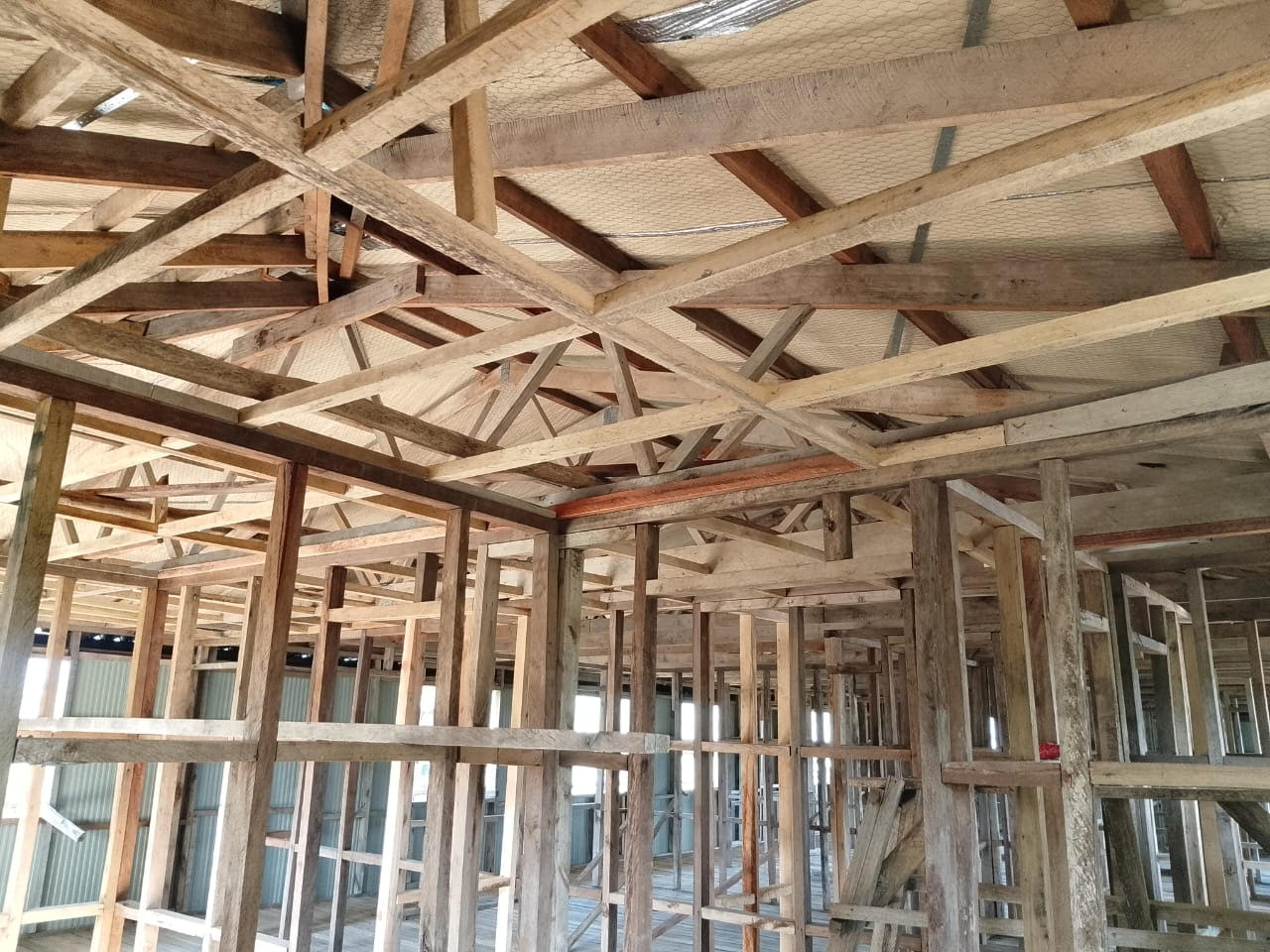 CONSTRUCTION REACHES CEILING STAGE AT EPENDA SCHOOL OF EVANGELISM
Construction of the Ependa School of Evangelism Building Complex continues to make steady progress, with workers reaching another important milestone after beginning ceiling installation on the building’s third floor.In an update shared in late May, project overseer Pastor David Paki announced that the construction team had commenced work on the third-floor ceiling and called on supporters to continue praying for the successful completion of the project.“The boys are now working on the ceiling on the third floor of the Ependa School of Evangelism Building Complex. Keep us in prayers. Blessings.”The building, located approximately 10 kilometers outside Mendi in Southern Highlands Province, has been under construction since June 2024 following its ground-breaking ceremony in May that year.The facility is expected to serve as a central training centre for Ependa School of Evangelism and will include a lecture hall, dining hall, dormitories and self-contained accommodation for students.The latest progress follows a series of construction milestones achieved over the past two years, including completion of the foundation, brickwork, partitioning, and roofing framework.The installation of the third-floor ceiling is another important step towards completing the three-story complex.
Published on June 17, 2026