

POSTS BY AUTHOR

PNG Haus Bung
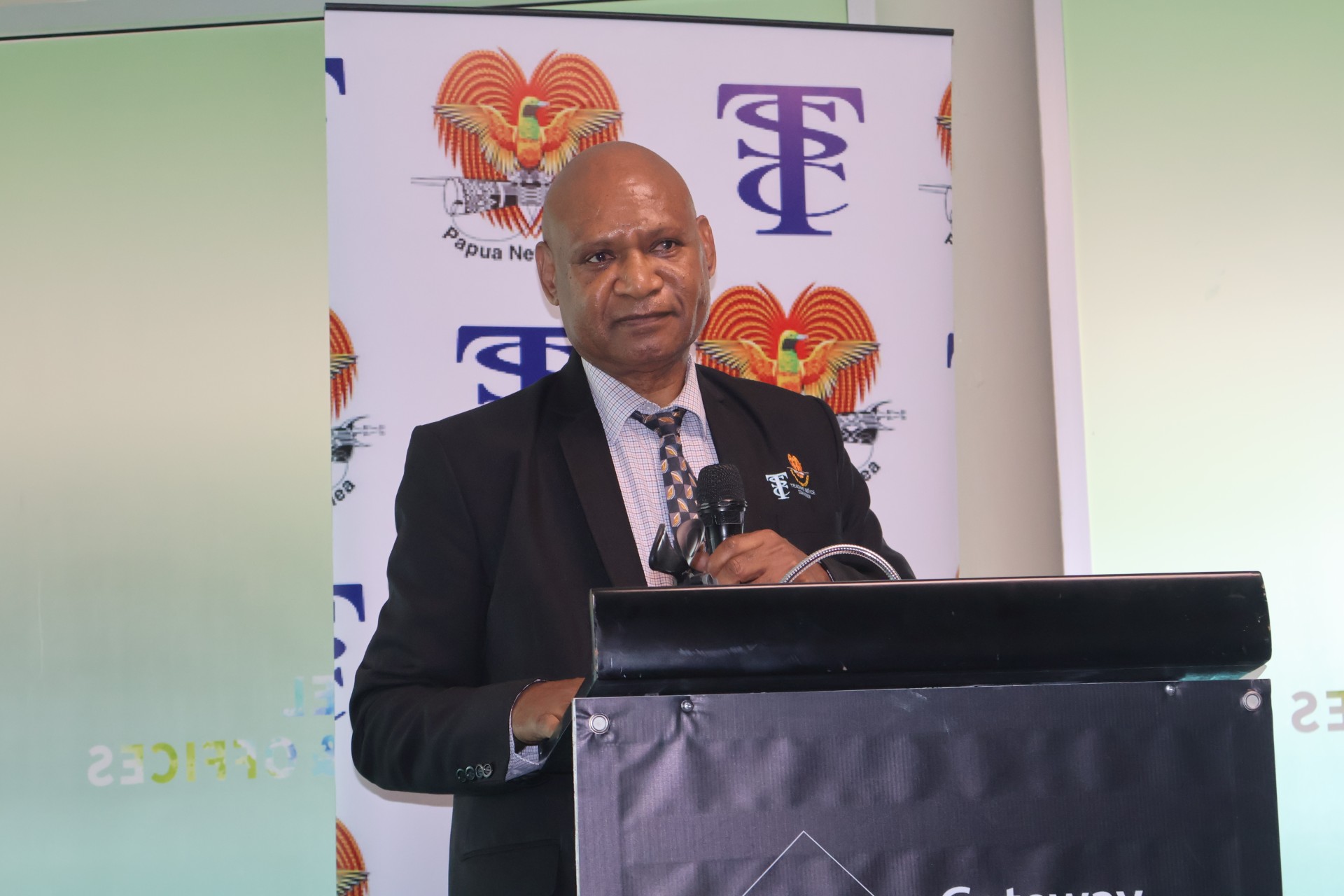 TSC CLARIFIES ROLE IN TEACHER REGISTRATION DELAYS
The Teaching Service Commission (TSC) has clarified that it is not responsible for issuing or withholding professional teacher registration certificates, following media reports linking the Commission to delays affecting thousands of new teachers.In a statement released recently, Acting Chairman Maini Mike Ugaia said teacher registration certificates are issued by the National Department of Education (NDoE) to graduates of approved teacher training institutions, while the TSC’s role is limited to employing, admitting and deploying teachers.“Teacher Registration Certificates are issued by the National Department of Education (NDOE) to all new graduates from approved teacher training institutions under the Department of Higher Education, Research, Science and Technology (DHERST).”“The Commission functions solely as the employer. We approve the admission and deployment of new graduates and new commencements in the country.”“A Provisional Registration Certificate is simply one of the TSC admission requirements to enable teachers to enter the teaching workforce.”The Commission also rejected claims that it sets or enforces the minimum 2.8 Grade Point Average (GPA) requirement for teacher graduates, stating that the standard is determined by the Department of Higher Education, Research, Science and Technology (DHERST) for student selection and scholarship purposes.According to the TSC 3, 614 graduates completed teacher training programs in 2026, but delays in registration from January to June have disrupted teacher appointments and affected the welfare of those already working in schools.The Commission has urged graduates who began teaching in January to submit their admission applications through their provincial TSC offices immediately.Those who have not yet received appointments have been advised to complete admission forms now to be considered for the 2027 recruitment cycle, as appointments for 2026 have already closed.The TSC said it is working to take greater responsibility for all teacher-related matters, arguing that the current system has negatively affected teacher workforce planning over the past five years.The Commission also thanked the Marape-Rosso Government’s support for consolidating teacher management under the TSC, saying it is prepared to assume full responsibility for teacher welfare, employment and related administrative matters.
Published on June 27, 2026
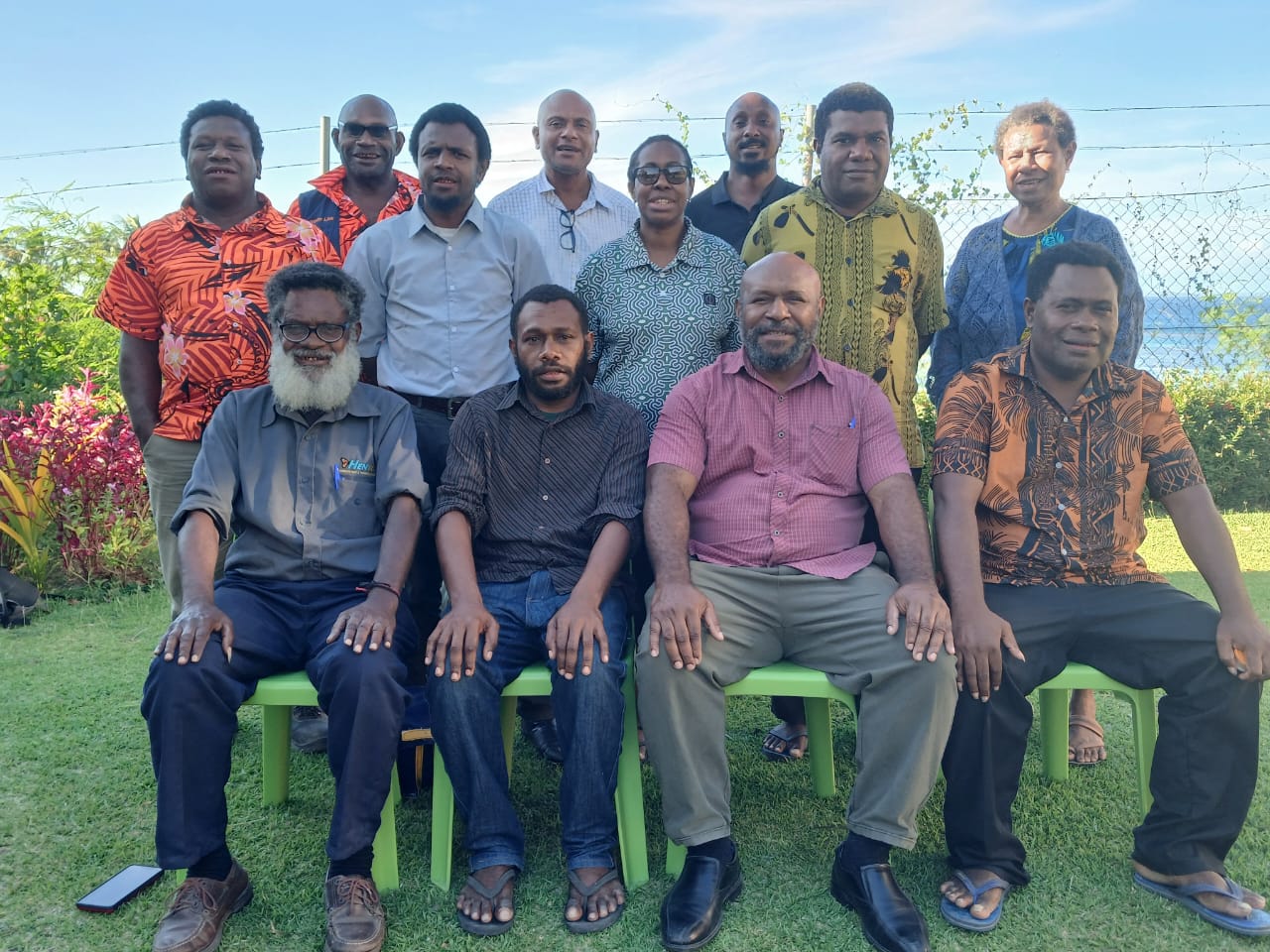 ENB MALE ADVOCATES DRIVE GENDER EQUITY THROUGH “WOK WANTAIM MAN”
The East New Britain Provincial Health Authority (ENBPHA) male advocates are continuing to receive vital capacity-building support to promote gender equity, prevent violence against women, and to foster an inclusive workplace.This progress is made possible by the PNG-Australia Transition to Health (PATH), which provides full funding support for the Wok Wantaim Man program.Thanks to this ongoing partnership, the male advocates are now nearing completion of their six required training sessions.Recently, the advocates participated in a two-day session on “Shared Responsibilities and Caregiving and Building Allyship.”The sessions focused heavily on promoting men’s meaningful participation in caregiving and domestic labor and to further support them to act as positive allies in their communities.Male Advocacy Consultant and facilitator Emmanuel Ginis noted that the program started three years ago and remains an ongoing commitment and process of change where these men continue to practice.“I thank the men for their continuous commitment for the ongoing conversations where you do yourself reflections of your own actions and behaviors and identify which of these to apply as role models,” said Mr. Ginis.He emphasized that this makes it easier for the advocates to carry out the advocacy role in their respective areas of influence.“When you talk and go out to the communities, exercising your advocacy and talking from your experience, there certainly will be effects on others.”“We cannot do it alone, rather, build alliances and networks that can support each other to address issues.”The relentless efforts by these trained male advocates are slowly showing results of political intervention at the ward and Local Level Government (LLG) level with leaders becoming involve.Notably, the Reimber LLG in the Gazelle District, is one that has embraced the Wok Wantaim Man initiative.Meanwhile, President Benedict Warwakai, who attended the two sessions as a guest participant, highly commended the advocates for their years of hard work.“This is the way forward that the Provincial Government will support,” he said. “The onus is on us to provide the political influence to effectively implement to the entire population.”“I believe when at our political stance, the works of male advocacy will become possible as a driving tool for Gender Based Violence (GBV) and Gender Equality.”Furthermore, President Warwakai praised and acknowledged the full support of PATH, the Provincial Health Authority, and the facilitators for the endless hard work.“The continuous support on such programs for a healthy community, society and population, certainly is contributing immensely to the behavioral attitudes.”Looking ahead, the Wok Wantaim Man program has one final session remaining to develop the facilitator guide equipped with the necessary information to help with the male advocacy work in church and work programs and awareness in the community.
Published on June 27, 2026
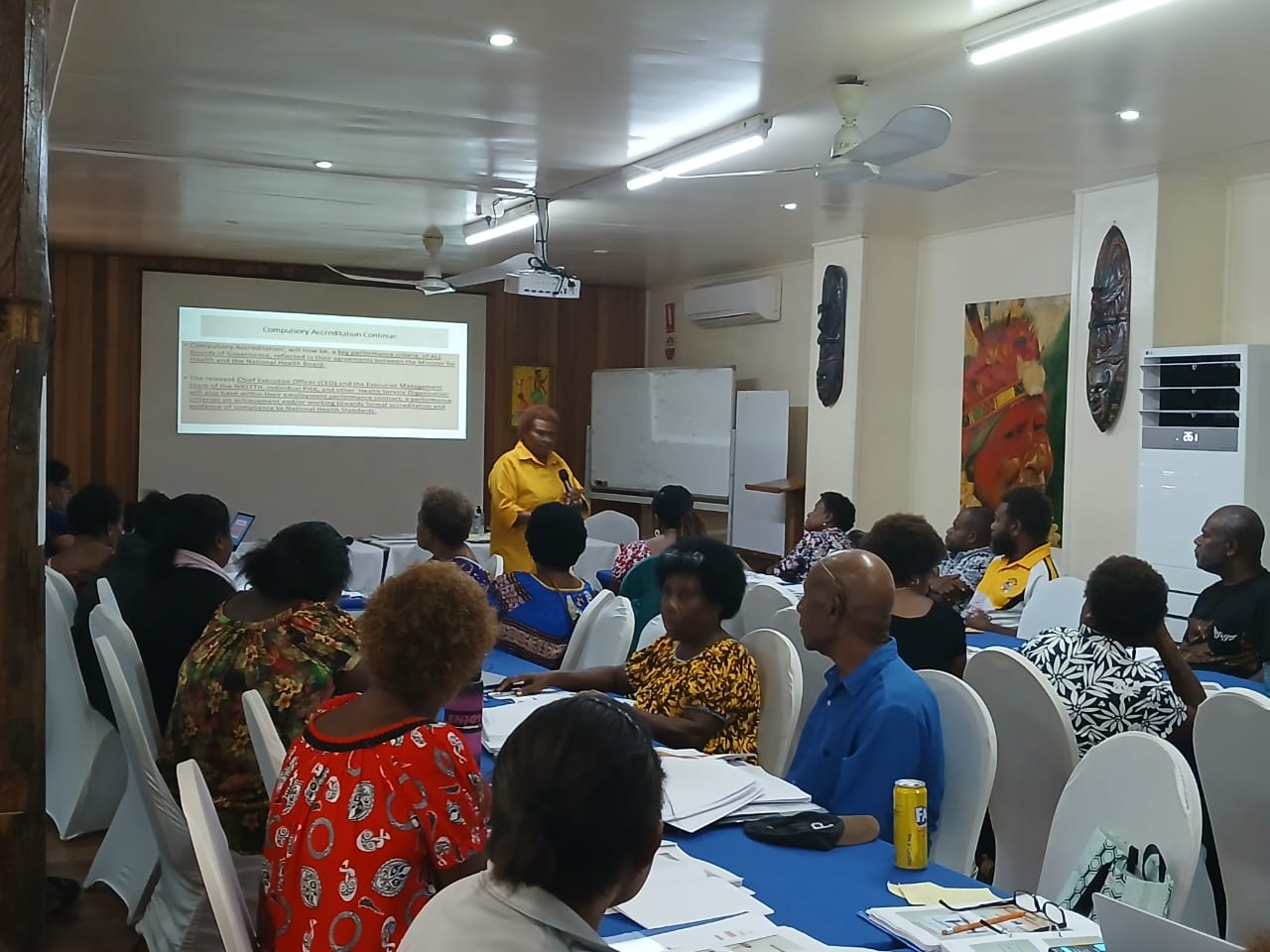 ENBPHA STRENGTHENS MANAGEMENT CAPACITY & STRATEGIC LEADERSHIP
Seventy-two middle management staff of the East New Britain Provincial Health Authority (ENBPHA) recently completed an intensive, week-long manager’s development workshop.The program is specifically designed to provide a rapid yet broad overview of the critical aspects of managing a team, overseeing a work program, and mastering self-management.This marks the third time the ENBPHA has invested in leadership capacity building for both its senior executive and middle management tiers.The training was facilitated by the Health Services Sector Development Project (HSSDP), led by Peter Baran, who explained that the core focus is about understanding what a PHA is and grasping foundational health minimum standards.“This training will improve PHA managers’ performance to be more effective managers, role models and be of future health service leaders to create high performing teams,” Mr. Baran said.“The training is to be able to set realistic operational work plans and budgets and raising individual capabilities from operational focus to a more strategic perspective.”To achieve this, the workshop utilized adult and action learning techniques, balancing core management theory with active group discussions and dedicated windows for self-reflection.At the conclusion of the week, Acting Public Health Director Joachim Kais noted that the session provided participants with an in-depth, practical knowledge of management.“As a result of this training workshop, the PHA managers will now be able to apply a range of management techniques and practices as in communications, motivating and mentoring, coaching and empowering, counselling and disciplining, meetings management and management of performance,” Mr. Kais said.Throughout the workshop, staff were consistently encouraged to start by managing themselves in order to successfully guide those further down the line in their respective work areas.“You cannot manage others if you cannot manage yourself,” Kais emphasized. “Prioritize your time to manage resources and funding.”Following the success of this middle management session, a similar leadership training program is scheduled this October for the ENB PHA’s senior executive management staff.
Published on June 27, 2026
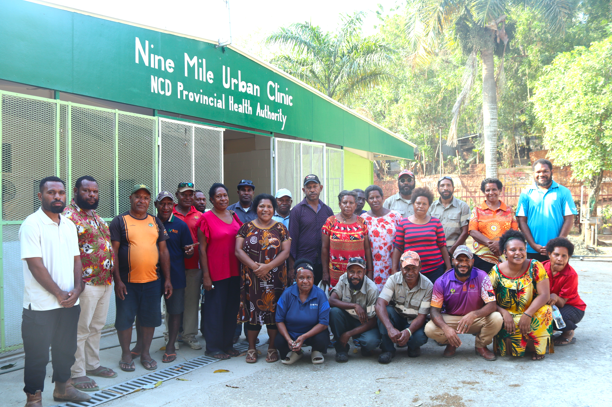 WATERAID AND NCDPHA ADVANCE WASH AT 9 MILE URBAN CLINIC
WaterAid Papua New Guinea (WAPNG), in partnership with the National Capital District Provincial Health Authority (NCDPHA), has successfully facilitated a three-day Water, Sanitation and Hygiene (WaSH) in Healthcare Facilities deep dive session at the 9-Mile Urban Clinic.The workshop brought together an inclusive group of clinic staff, support workers, and community leaders, highlighting a collective commitment to improving healthcare delivery through superior hygiene practices.Participants including managers, nurses, community health workers, cleaners, volunteers, and support clinicians, gained the skills necessary to identify and resolve critical gaps in water supply, sanitation, facility cleaning, and medical waste disposal.The program was delivered across six structured modules centered on the Water and Sanitation for Health Facility Improvement Tool (WASH FIT).Jointly developed by the World Health Organization (WHO) and UNICEF, WASH FIT is a global, risk-based management framework that helps healthcare facilities meet and maintain strict minimum standards for hygienic safety.As a result of this collaboration, these localized WaSH improvement activities have been formally integrated into the NCDPHA’s broader Infection Prevention and Control (IPC) framework.This structural integration ensures that frontline facilities like the 9-Mile Urban Clinic will receive sustained system support and long-term oversight.Furthermore, the initiative directly aligns with the National Department of Health’s (NDoH) ongoing rollout of both the National Guidelines and the National Roadmap for Improving WASH in Healthcare Facilities across all Provincial Health Authorities.The Chief Executive Officer of NCDPHA Dr. Robin Oge emphasized the long-term vision of the project.“Our commitment to WaSH in healthcare facilities is unwavering,” Dr. Oge said. “By working with partners like WaterAid PNG, we are ensuring that every patient, mother, and newborn who walks into our clinics has access to safe water, sanitation, and hygiene.”“This is not just about infrastructure; it is about dignity, safety, and saving lives. NCDPHA will continue to champion these improvements across all our facilities.”Moving forward, WaterAid remains dedicated to supporting the NDoH and Provincial Health Authorities as they advance national standards to meet Sustainable Development Goal 6 and Papua New Guinea’s Medium-Term Development Plan 4 (MTDP 4).The successful implementation at the 9-Mile Urban Clinic represents a critical step toward establishing safer, cleaner, and more resilient healthcare environments for families across Port Moresby and the surrounding regions.
Published on June 26, 2026
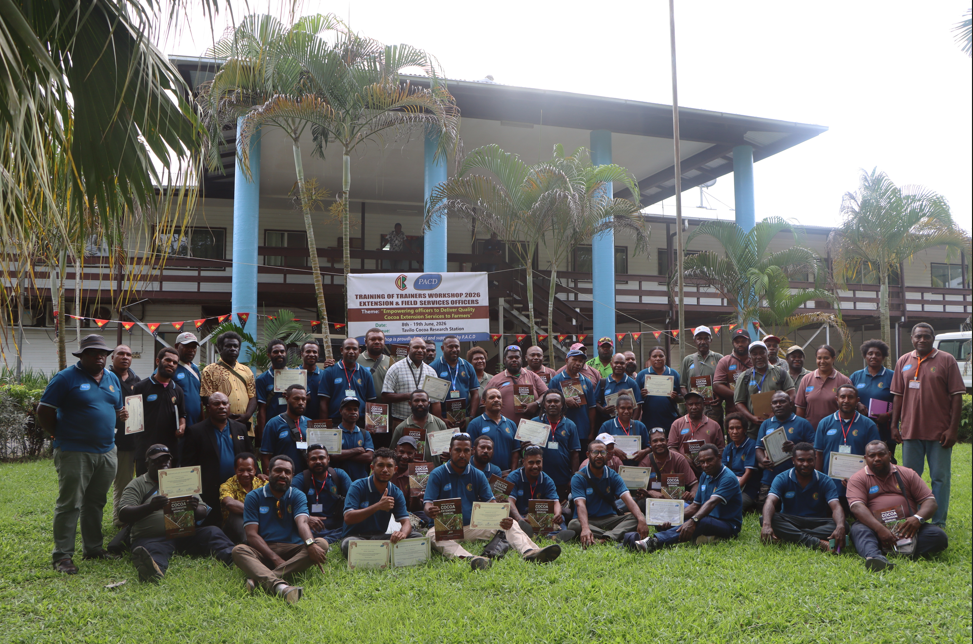 EXTENSION OFFICERS URGED TO PROMOTE COCOA FARMING AS A BUSINESS
Cocoa Board Chief Executive Officer (CEO) Jesse Tukup Anjen has challenged extension and field officers to return to their respective provinces and actively promote cocoa farming as a profitable business within their communities.Speaking during the certification and closing ceremony of a two-week Training of Trainers (ToT) program held at the Cocoa Board’s Tavilo Research Centre last Friday, Mr. Anjen emphasized the crucial role participants play in strengthening the cocoa industry.“Go back to your provinces and spread the gospel of cocoa to your farmers, households and communities. You are now empowered with all the skills and knowledge,” Mr. Anjen said.He congratulated the participants, acknowledging that each officer, regardless of their specific title, contributes meaningfully to the development of the sector.“Every one of you plays a unique role. Some have big roles, others have small roles, but every contribution is valuable.”Mr. Anjen stressed that the training directly aligns with the Cocoa Board’s recently launched corporate plan, urging officers to immediately apply what they have learned to support local growers.“You are now empowered- go back and utilize that knowledge and those skills to benefit our farmers, our families and our communities.”A key message highlighted throughout his address was the urgent need for farmers to move beyond subsistence practices and adopt a strictly business-minded approach to cocoa production.“Farmers cannot just remain simple farmers and become price takers. We need them to see cocoa as a business and always reinforce that message,” he urged.Mr. Anjen encouraged the participants to fully embrace their new roles as educators, adding that their training manuals should be treated as essential everyday tools in the field.“You are now trainers. Go out and train other extension officers, partners and our farmers.”Looking ahead, the CEO revealed plans for the Cocoa Board to develop formal training modules and courses in partnership with the Department of Education (DoE).These future initiatives include a cocoa-focused school curriculum, and a specialized business management manual tailored specifically for cocoa farming systems.“With this training, these are the kinds of forward-thinking ideas you must keep in mind and pass on to our farmers.”Mr. Anjen went on to acknowledge the support of PNG Agriculture Commercialization and Diversification (PACD) Cocoa for funding the program, as well as contributions from various departments that delivered both the theoretical and practical sessions.He highlighted the growing importance of new cocoa expansion areas, describing the Tavilo Research Centre as the true “engine room” and “heartbeat” of the entire industry.“This is where everything is generated. The right messages, skills and lessons are packaged here and taken out to the provinces.”Participants also expressed deep appreciation for the intensive program.Aileen Arija, a female extension officer representing Oro Province, noted that the program had been highly beneficial for her professional development.“In the two weeks, we learned a lot. We are honoured and thankful to the Extension and Research teams for sharing their knowledge,” she said.Similarly, Ario Panuel, an extension officer from the Central Office, thanked PACD for its vital support and highlighted the value of the training, particularly for officers stationed in emerging cocoa regions.“For me personally, I learned a lot. Coming from a new growth area, this information is very valuable to share with farmers,” he said.Mr. Panuel noted that while driving cocoa development in areas like Milne Bay presents complex geographical and economic challenges, the precise mix of theory and practical training had equipped participants with the necessary tools to succeed.“Our farmers are waiting for us. We will go back and help them improve,” he added.The Training of Trainers program is part of ongoing strategic efforts by the Cocoa Board to strengthen extension services and empower officers to deliver accurate, practical knowledge to farmers across Papua New Guinea’s expanding cocoa-growing regions.
Published on June 26, 2026
 SIRINUMU DAM RUNNING LOW, PEOPLE URGED TO CONSERVE WATER & POWER
The residents of Port Moresby city and parts of Central province are being urged to use water and electricity wisely as water levels at Sirinumu Dam begin to run low due to the El Niño weather condition.PNG Power Ltd (PPL) in a statement released today, is urging customers and the general public in the National Capital District (NCD) and Central Province that the company is actively managing reduced water availability at Sirinumu Dam in response to the ongoing El Niño drought conditions affecting the region.The reduced water release from Sirinumu Dam directly impacts hydro generation capacity across the Rouna hydropower cascading stations, resulting in a reduction in available renewable generation on the Port Moresby power grid. PPL is supplementing this reduced hydro output with diesel thermal generation at Moitaka Power Station to maintain grid stability and minimise the number of feeders currently being on load shedding.Sirinumu Dam also serves as a critical raw water source for Port Moresby’s city water supply. PPL is working in close coordination with Water PNG and relevant government authorities to ensure that, while power generation water releases are reduced, the minimum required raw water discharge for the city’s water supply system is maintained throughout this period.To conserve water and responsibly manage the Sirinumu Dam reservoir through the current drought period, PPL has implemented the following water release reduction and generation management measures:As of May 2026, PPL has reduced water release from Sirinumu Dam. As a direct consequence, load shedding has commenced due to a generation shortfall resulting from reduced power supply from the Rouna Hydro Stations.The Sirinumu Toe of Dam power station (TDS) is operating at a reduced output of 500kW (down from its normal 1.5MW), releasing approximately 2.5 cumecs into the Laloki River.Only two (2) siphon valves are being kept open instead of the full ten, further reducing total discharge from Sirinumu Dam to approximately 3.9 cumecs, compared to the normal maximum of 14.0 cumecs.The Rouna hydropower cascade stations (Rouna 2 and Rouna 4) are each being operated on a single generating unit to match the reduced river inflow, maintaining steady operating pond levels and minimising water loss.PPL is conducting close real-time monitoring of all uncontrolled inflows and generation dispatch, with emergency load shedding protocols on standby should conditions deteriorate further.PPL is actively working to restore forced-outage thermal generators and is progressing the recommissioning of Rouna 1 and Rouna 3 hydropower stations to restore additional generation capacity to the Port Moresby grid and ease the current load shedding burden on customers.“These water conservation measures are anticipated to remain in place for up to ten (10) months, in line with the forecast duration of El Niño drought conditions as advised by the National Weather Service Bureau. PPL will continuously review and adjust these measures as drought conditions evolve,” stated the State- owned power company.The National Weather Service Bureau’s May 2026 Drought Update confirms that NCD has been under Drought Alert status for two consecutive months, while Central Province has now transitioned from Drought Watch to Drought Alert. Climate forecasts indicate below-normal rainfall across most of Papua New Guinea through to August 2026, with El Niño-like conditions expected to intensify in the coming months.Regular updates will be provided to the public on the status of dam levels, generation operations, and any planned load shedding through its official communication channels. Customers are encouraged to monitor PPL’s official Facebook page and website for the latest information.
Published on June 26, 2026
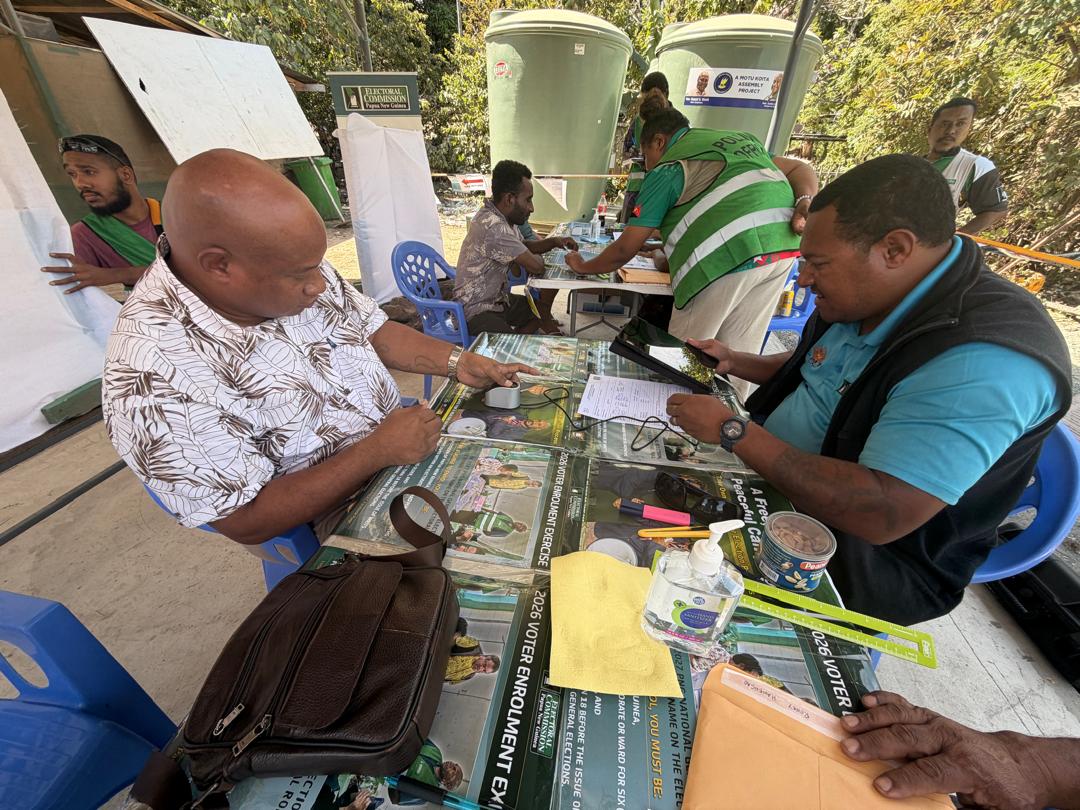 VABUKORI WARD MEMBER COMMENDS PNGEC FOR BIOMETRIC ENROLLMENT
Vabukori village, Ward Councilor/Member – Turaho Morea, has thanked the National Government and the Papua New Guinea Electoral Commission (PNGEC) for the commencement of the Biometrics and Photo Roll updating for the Electoral Roll.The exercise commenced this week on Wednesday 24th June in the Vabukori Local Level Government, Port Moresby city.Mr. Morea said that it is critical because of past experiences where there were practices of multiple voting and people voting under false pretense. Corrupt practices have always been part of our General Elections and have ruined so many elections in our country.“The Biometric and the Photo Roll system will help to eliminate such mal and corrupt practices. It acts as a second check and balance mechanism where you’ve got the fingerprints that will identify someone as a legitimate or eligible voter, and then you also have the photo identity that confirms a person. So those are the type of security mechanism that I know will eliminate double voting or pretentious voting,” said Mr. Morea.Mr. Morea was even more pleased that the Electoral Commission has chosen Vabukori to be the pilot ward in the country, for the Biometric and Photo Roll exercise. He extended his gratitude to the PNG Electoral Commission for trialing, especially the biometric enrollment in Vabukori.He emphasized that the timing of the biometrics enrollment system is impeccable for Vabukori Local Level Government (LLG) and the Motu-Koita people, especially with the introduction of the newly created Motu-Koita Electorate, which will be part of the upcoming 2027 National General Elections, where Motu-Koita Electorate will be one of the Open Seats contested in the National Capital District (NCD).“However, if this system is going to be introduced by 2027, great! But I also am aware that under the organic law, such a system has to go through a verified process to be legitimized or legislated in parliament. And if that process is expedited and introduced, where Motu-Koita or NCD in particular is the introduction point of this system, then that will be good,” said Mr. Morea.According to Mr. Morea, during the dialogues they had with the Department of Provincial & Local Level Affairs and the awareness they had with the Boundaries Commission, the Motu-Koita people call for Biometrics to be introduced at the polls, especially, the 2027 National General Elections. He is pleased that the Electoral Commission has included the photo roll registration as well.The Vabukori Councilor is now calling on the Motu-Koita people to get themselves registered on the electoral roll through the Biometrics and Photo roll enrollment system, for a free, fair and safe election.
Published on June 26, 2026
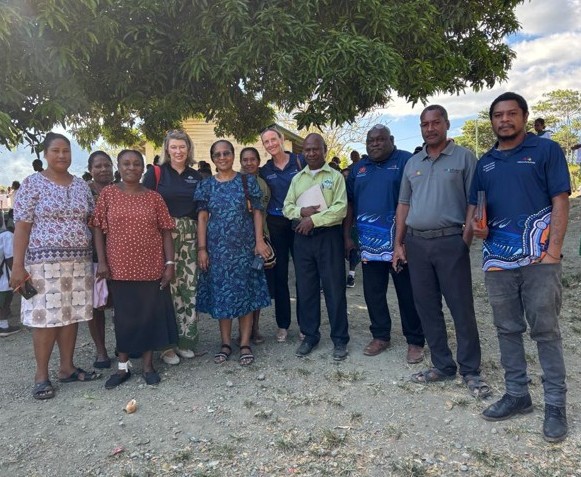 IOBUNA KOUBA TEACHERS DRIVING EARLY LEARNING SUCCESS
Teachers at Iobuna Kouba Primary School in Central province are being recognised for their efforts in delivering quality early childhood education, following a recent visit by education officials and representatives from the Australian High Commission.The visit highlighted the school's locally led approach to improving literacy and numeracy outcomes, with teachers showcasing interactive lessons in Grade 1 Mathematics and Grade 2 English.Officials from the Central Provincial Division of Education and the Australian High Commission observed students actively participating in reading, listening and group learning activities.Teachers used Bilum Books and a growing classroom library to support engaging and inclusive learning experiences.Australian High Commission Minister-Counsellor Madeleine Moss commended the school's teachers and leadership team for creating positive learning environments that encourage student participation."It is clear that teachers at Iobuna Kouba are creating positive and inclusive classrooms where students are actively engaged in learning.”The visit also brought to light how teachers are implementing Papua New Guinea's 1-6-6 education reform, which integrates Prep, Grade 1 and Grade 2 into the primary school system.The reforms aim to strengthen foundational literacy and numeracy skills during the critical early years of education.Head Teacher Joseph Buka said the school's progress is driven by the commitment and dedication of its teaching staff."Our teachers are working hard to make learning active and inclusive for every child.”"We are seeing students becoming more confident in reading, speaking and working together."He added that while support from education partners is appreciated, it is the daily efforts of teachers that continue to improve learning outcomes for students.The school has also invested in improving its learning environment through funding provided under the Achieving Quality Education for All (AQEFA) grant, managed through Australia's Partnerships for Improving Education (PIE) program.Using the funding, the school community constructed fencing, installed water tanks, built footpaths, and refurbished classrooms. School leaders say these improvements have contributed to better attendance, increased safety, and improved classroom conditions.The visit reinforced the importance of collaboration between schools, education authorities and development partners in strengthening education outcomes across Central Province.Through the Australia–Papua New Guinea partnership, teachers in the province continue to receive in-service training and access to teaching and learning resources, complementing the work already being led by schools such as Iobuna Kouba Primary to improve enrolment, attendance and student achievement.
Published on June 26, 2026
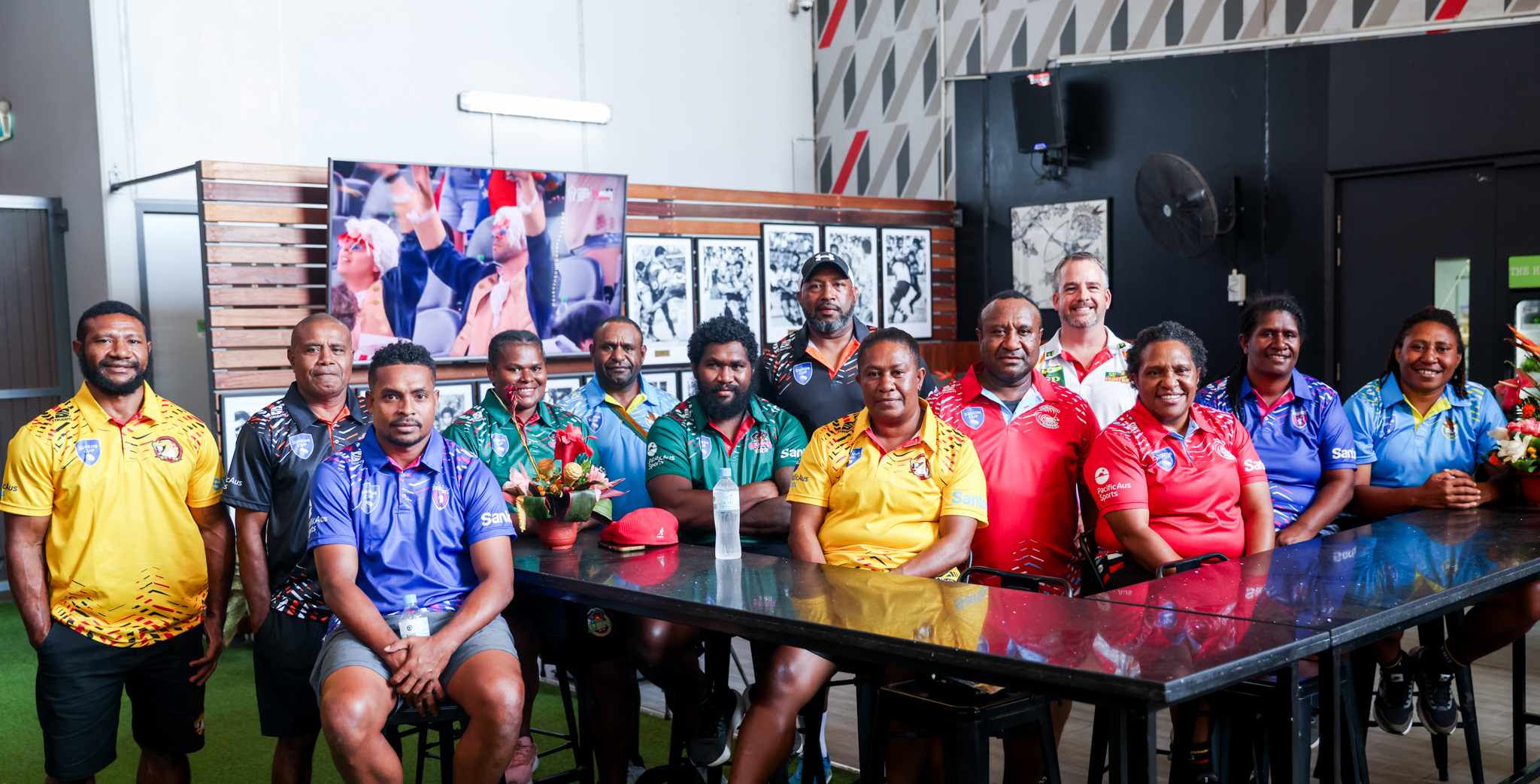 COACHES COMMITTED TO RAISING THE STANDARD
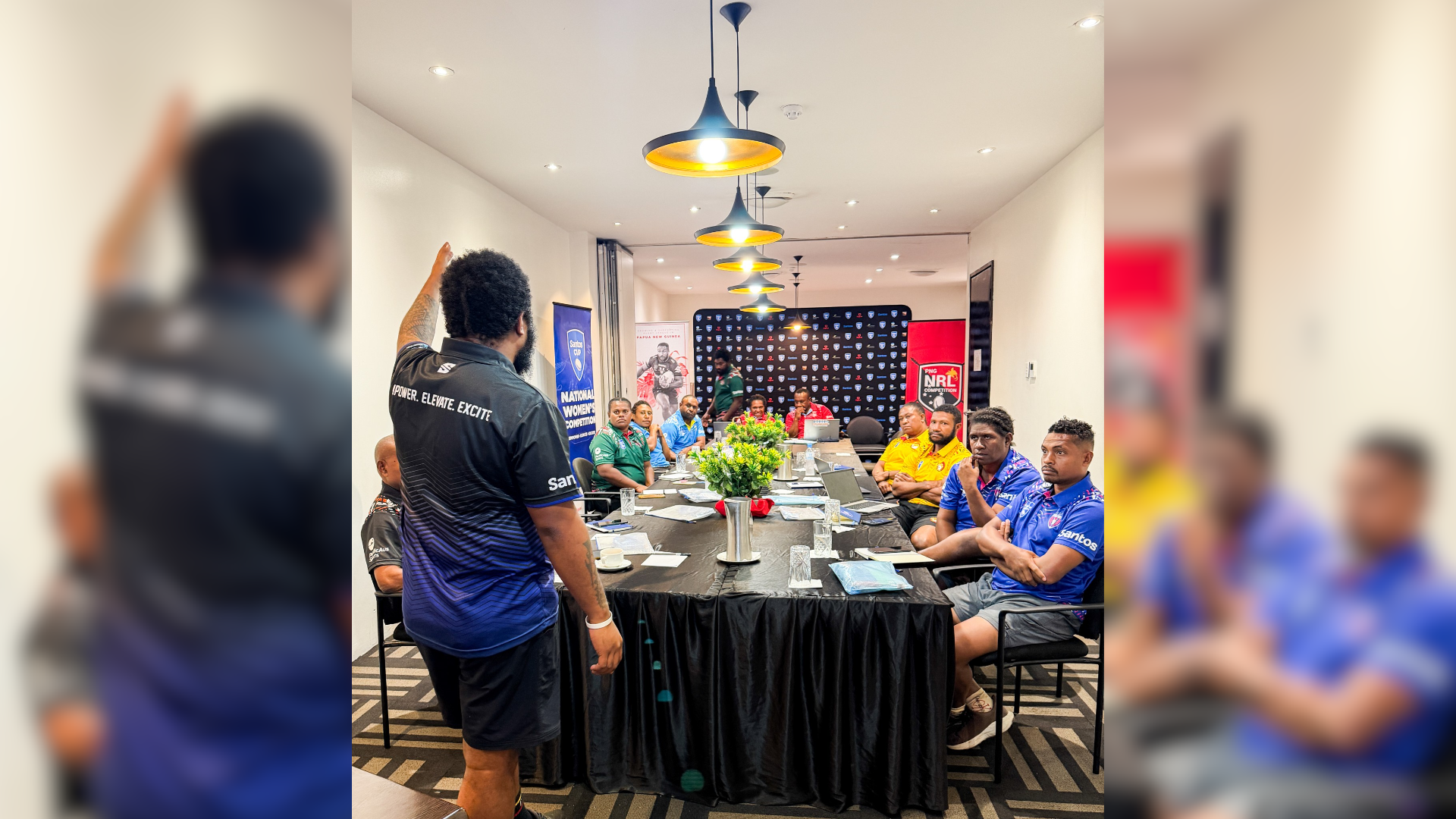
Strong leadership, collaboration and continued coach education have been identified as critical factors in the growth of women's rugby league in Papua New Guinea following the 2026 Santos Cup Coaches Conference.One of the highlights of the conference was a presentation by PNG Orchids head coach Craig Sandercock, who shared insights into elite-level coaching, athlete management and the standards required to succeed on the international stage.Coaches from across the country attended the two-day event in Port Moresby, where they exchanged ideas and explored modern coaching approaches aimed at lifting standards throughout the Santos Cup competition.Former Kumuls representative and current Lae Snax Tigers Women's assistant coach Mark Mexico said coaching development remains central to the future success of the sport."The conference highlighted how important strong leadership and quality coaching are at every level of the game," Mexico said."Opportunities like this allow coaches to continue developing their skills and return to their franchises with new ideas and approaches that can benefit players and communities."Mt . Hagen Eagles Women's coach Regila Wilfred said bringing coaches together created valuable opportunities for networking and knowledge sharing."Bringing coaches together from different regions creates opportunities to build relationships, exchange experiences and learn from one another," Wilfred said."The level of enthusiasm and engagement throughout the conference showed a genuine commitment from coaches to improving player development and contributing to the future growth of rugby league in Papua New Guinea."The conference included practical sessions on player performance, coaching philosophies, media engagement and the use of digital analysis tools increasingly adopted by elite rugby league programs.PNG Rugby Football League acknowledged the support of Santos, PacificAus Sports, KMHL and Digicel, whose continued investment in women's rugby league pathways is helping create opportunities for players, coaches and officials across the country.Officials said partnerships such as these continue to play a vital role in strengthening the Santos Cup competition and supporting the development of women's rugby league from grassroots participation through to the elite level.
Published on June 25, 2026
 PNGNRLC HOSTS COACHES CONFERENCE TO RAISE STANDARDS IN SANTOS CUP
The Papua New Guinea National Rugby League Competition (PNGNRLC) has reinforced its commitment to developing women's rugby league by hosting the 2026 Santos Cup Coaches Conference in Port Moresby.The two-day conference, held at Citi Boutique Hotel, brought together head coaches and assistant coaches from franchises across the country to participate in professional development sessions aimed at improving coaching standards in Papua New Guinea's premier women's rugby league competition.PNG Rugby Football League Chief Operating Officer Tony Archer opened the conference, highlighting the importance of ongoing learning and adaptation as rugby league continues to evolve at both national and international levels.Archer also led a review of the 2025 Santos Cup season, encouraging coaches to reflect on team performances, identify lessons learned, and prepare for the upcoming 2026 campaign."The Santos Cup remains the pinnacle of our female national domestic rugby league in Papua New Guinea, and investing in our coaches is investing in the future of the game," Archer said."Through initiatives like this conference, we are ensuring our coaches are equipped with the knowledge, tools and leadership skills required to develop players and strengthen women's rugby league throughout the country."Conference sessions focused on key areas including game-day operations, physical performance standards, coaching philosophy, media engagement and the use of performance analysis software Hudl.The opening day concentrated on competition management and high-performance requirements, while day two introduced coaches to modern video analysis techniques and player assessment tools at the National Football Stadium.PNGNRLC Coaching Development Manager Stanley Gene said the conference was designed to help coaches grow both professionally and personally."Coaching is about more than preparing a team for game day. It's about developing people, creating positive environments, and helping players reach their full potential," Gene said.The conference forms part of PNGNRLC's broader strategy to strengthen coaching pathways and enhance the quality of women's rugby league nationwide.
Published on June 25, 2026
 ALOTAU DISTRICT SME’S GAIN EXPOSURE AT PNG SME WEEK AGRITRADE EXPO
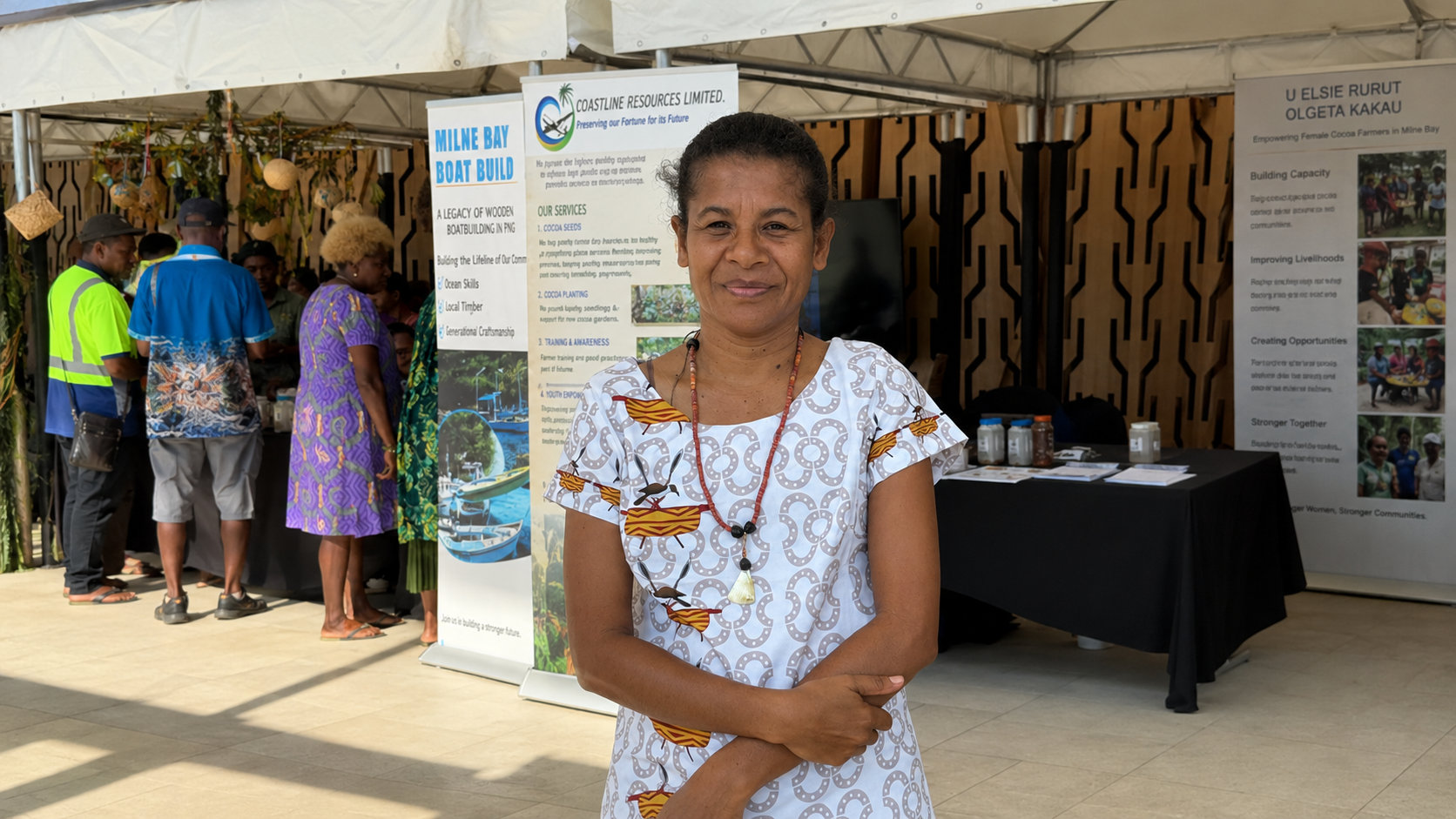
Small and Medium Enterprises (SMEs) from Alotau District are showcasing locally made products and business innovations at the PNG SME Week Agritrade Expo at APEC Haus in Port Moresby city.The event is being hosted this week and brings together entrepreneurs, farmers, producers, and business owners from across Milne Bay province to promote local products, build networks, and explore new market opportunities.According to Alotau District SME Coordinator Juno Sabeya, the district's participation was made possible through the support of the Alotau MP Ricky Morris, who sponsored 21 SMEs to attend the national expo."We are here for PNG SME Week, and our good Member, Ricky Morris, has sponsored almost 19 to 21 SMEs to attend," Sabeya said.The participating SMEs travelled to Port Moresby by air, road, and sea. The businesses are currently operating across 10 allocated stalls, sharing exhibition space while showcasing a diverse range of locally produced goods.Among the exhibitors is 28 Essence, a local enterprise displaying natural skincare products including handmade soaps and turmeric-infused oils.Sabeya said the initiative aims to expose local entrepreneurs to larger markets and opportunities beyond their communities."These SMEs have already created products and businesses of their own. The aim is to help them explore opportunities beyond their local settings and expose them to a bigger market," she said.She added that participation in the expo will help improve product quality, branding, packaging, and business presentation while creating opportunities to establish new markets and connections.For many participants, it is their first time attending a national trade exhibition, providing valuable experience and exposure."This is a big opportunity for our SMEs. When they return home, each of them will have a story to tell and new knowledge to apply to their businesses," Sabeya said.The event has also received strong support from the Milne Bay community living in Port Moresby, with families, customers, and supporters visiting the stalls throughout the week.Sabeya encouraged aspiring entrepreneurs not to be discouraged by challenges and setbacks."My message to SMEs and local business entrepreneurs is not to give up. Even if you go down, it's not the end. You can get back up again. Don't stop."She concluded with a simple motto for Papua New Guinea's growing SME sector: "Create, trade and thrive."
Published on June 25, 2026
 OPPOSITION CALLS FOR URGENT ACTION TO HARNESS PNG’S YOUTH
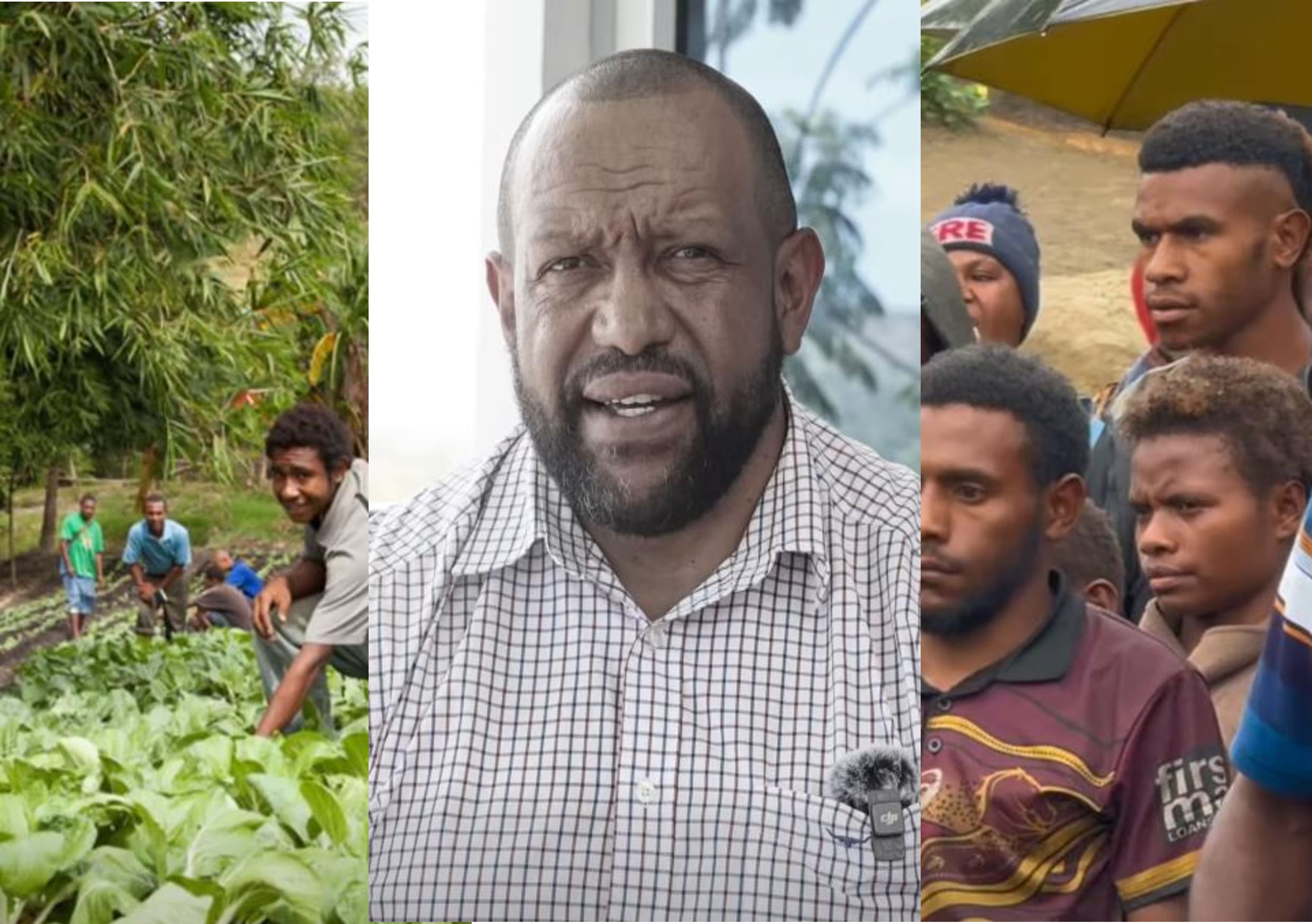
Opposition leader and Member for Chuave James Nomane has called on the Government to take immediate action to address what he’s describing as a growing governance crisis to capitalize on Papua New Guinea’s rapidly expanding youth population as a driver of economic development.Nomane stressed what he termed the “paradox” of Papua New Guinea’s economic situation, noting that in spite the country’s vast natural wealth, a significant proportion of the population continues to live in poverty.“Papua New Guinea is one of the most naturally endowed nations on earth, yet more than 40 percent of its people live below the poverty line.” “We possess world-class reserves of gold, copper, and gas, and produce agricultural commodities such as coffee, cocoa, and vanilla that are highly sought after on international markets.“Yet many communities still lack access to basic services.”He argued that the situation is the result of years of poor governance rather than an unavoidable reality, citing challenges including deteriorating schools, shortages of medicines in hospitals, concerns over public safety, and inadequate access to clean water in many communities.A major focus of the statement was the country’s youthful population.With more than 60 percent of Papua New Guinea’s citizens under the age of 25 and approximately 100,000 young people entering the population each year, Minister Nomane warned that failing to create opportunities for young people could contribute to rising unemployment, social unrest, and instability.However, it said the same demographic trend could become the country’s greatest economic advantage if properly managed.“The youth bulge, properly channeled, is the single most powerful asset we have for rapid development.”The Opposition emphasized the importance of strengthening agriculture as a pathway to economic transformation, arguing that improved productivity, land access, skills development, and stronger market connections could significantly increase rural incomes.According to the statement, a 15 percent increase in agricultural productivity could generate an estimated K1.2 billion in annual farm-gate gains, while exports of commodities such as coffee, cocoa, and fresh produce could potentially double within the next decade.The Opposition also criticized what it described as poor implementation of agricultural funding, claiming that less than 40 percent of sector allocations over the past five years had translated into measurable outcomes on the ground.In addition, it called for a stronger focus on import replacement, noting that Papua New Guinea spends more than K800 million annually importing products such as rice, tinned fish, and other food items that could potentially be produced domestically.The Opposition said reducing reliance on imports and increasing local production would help stimulate rural economies and keep more money circulating within the country.As part of its recommendations, the Opposition urged the Government to immediately table a rural productivity action plan aligned with Vision 2050, subject the forthcoming Medium-Term Development Plan IV (MTDP IV) to an independent performance audit, and redirect capital savings toward agricultural extension services, rural road rehabilitation, and market-access infrastructure.“The land is ready. The people are ready.”“Now the Government must act to make the potential of our young people a reality for Papua New Guinea.”
Published on June 25, 2026